Arabi Facts Hub
is a nonprofit organization dedicated to research mis/disinformation in the Arabic content on the Internet and provide innovative solutions to detect and identify it.
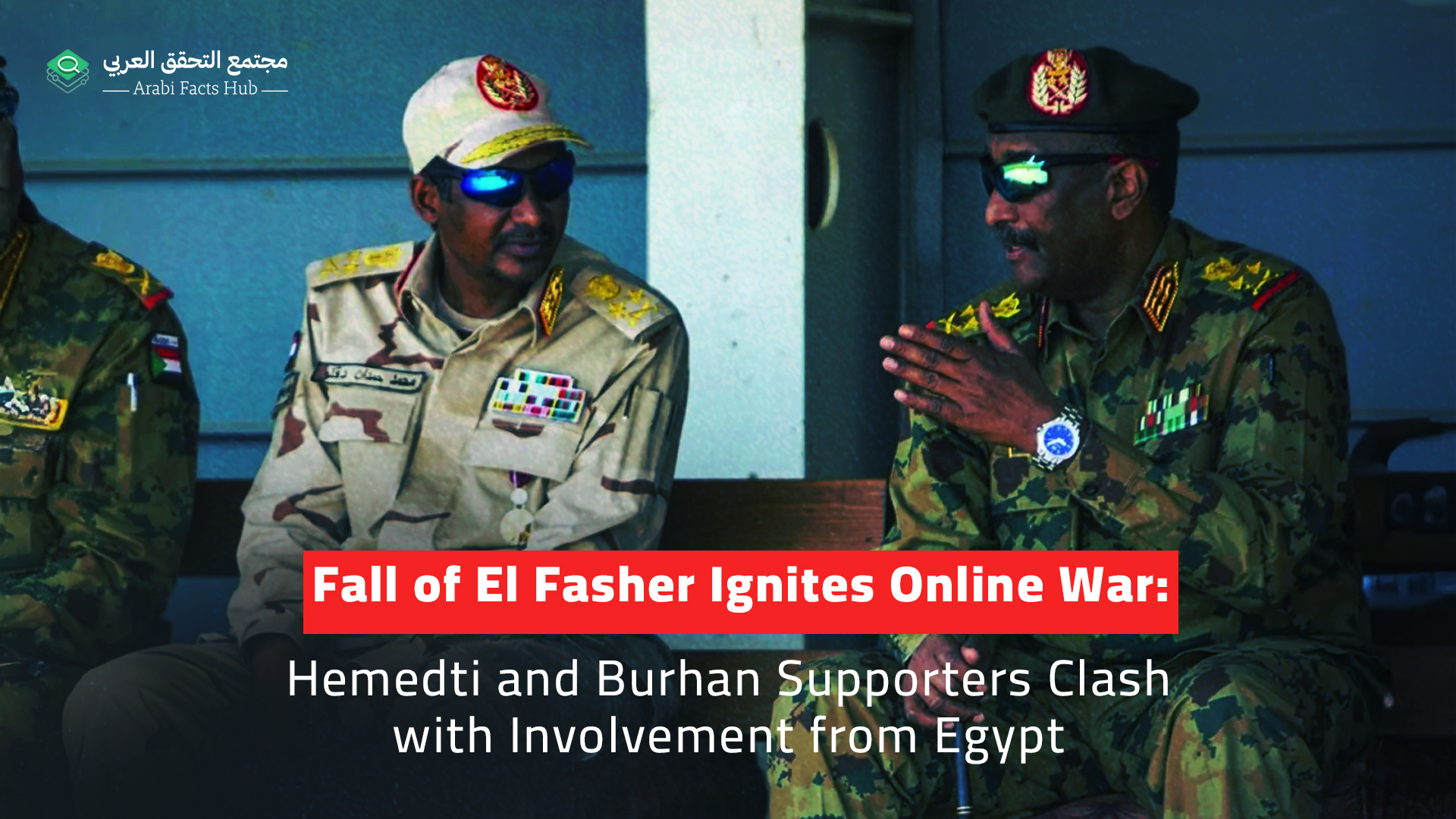
Fall of El Fasher Ignites Online War: Hemedti and Burhan Supporters Clash with Involvement from Egypt
Nov. 13, 2025 | AFH
Sherif Murad
Amid escalating clashes in Sudan following the fall of El Fasher to the Rapid Support Forces (RSF) at the end of October 2025, online campaigns were launched mobilizing support for both sides of the conflict.
This report tracks two opposing digital campaigns on X during October 2025: an Egypt-leaning campaign attacking the commander of the RSF through the hashtag #العميل حميدتي (Hamidti the Agent), versus a counter-campaign supportive of the RSF attacking the Chairman of the Sovereignty Council and army commander, General Abdel Fattah Al Burhan, through prominent hashtags such as #البرهان مجرم حرب (Al Burhan A War Criminal”) and #البرهان يقتل شعبه بالكيماوي (Al Burhan Kills His People with Chemical Weapons), along with symbolic use of #حميدتي رجل الدولة القوي (Hamidti the Strong Statesman”) and #تأسيس تمثلني (Ta’sis Represents Me”).
Indicators show that the first campaign peaked between October 25 and 27, 2025, while the reaction appeared scattered throughout the month, with a smaller wave coinciding with the Egyptian peak.
Context for the Two Campaigns
An online conflict erupted on X in October 2025, pitting two different narratives against each other. The first was an Egyptian-backed campaign, directly criticizing the Commander of the RSF, Mohamed Hamdan Dagalo, known as "Hemedti" via the hashtag #العميل حميدتي" (Hemedti The Agent). The second was an opposing reaction led by accounts loyal to the RSF, which attacked General Abdel Fattah Al Burhan and implicitly attacked Egypt, using hashtags such as: "#البرهان مجرم حرب" (Al Burhan Is A War Criminal) and "#البرهان يقتل شعبه بالكيماوي" (Al Burhan Kills His People with Chemical Weapons), alongside hashtags supporting the RSF Commander, such as "#حميدتي رجل الدولة القوي" (Hemedti The Strong Statesman).
Data from SproutSocial indicates that the hashtag "#العميل حميدتي" (Hemedti The Agent) generated approximately 1,140 posts and over 1,900 total interactions, showing a higher temporal concentration and wider audience reach. These interactions included more than 1,300 likes and close to 900 shares.
Posting was concentrated over 48 hours between October 25 and 26, with engagement peaking on the second day. The nature of the posting reflected a rapid, synchronized mobilization based on re-sharing rather than original content production, as shares constituted more than double the original posts.
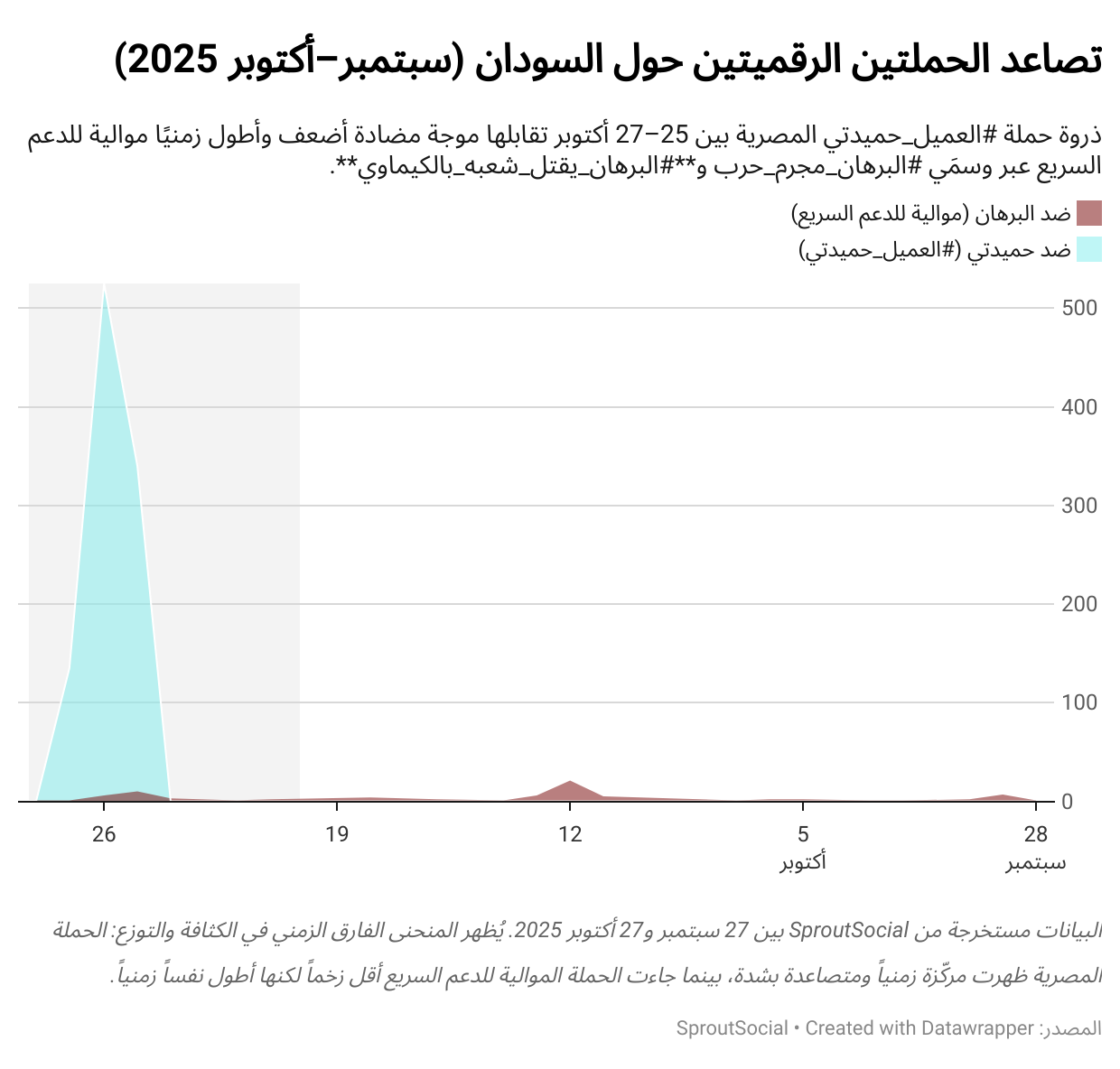
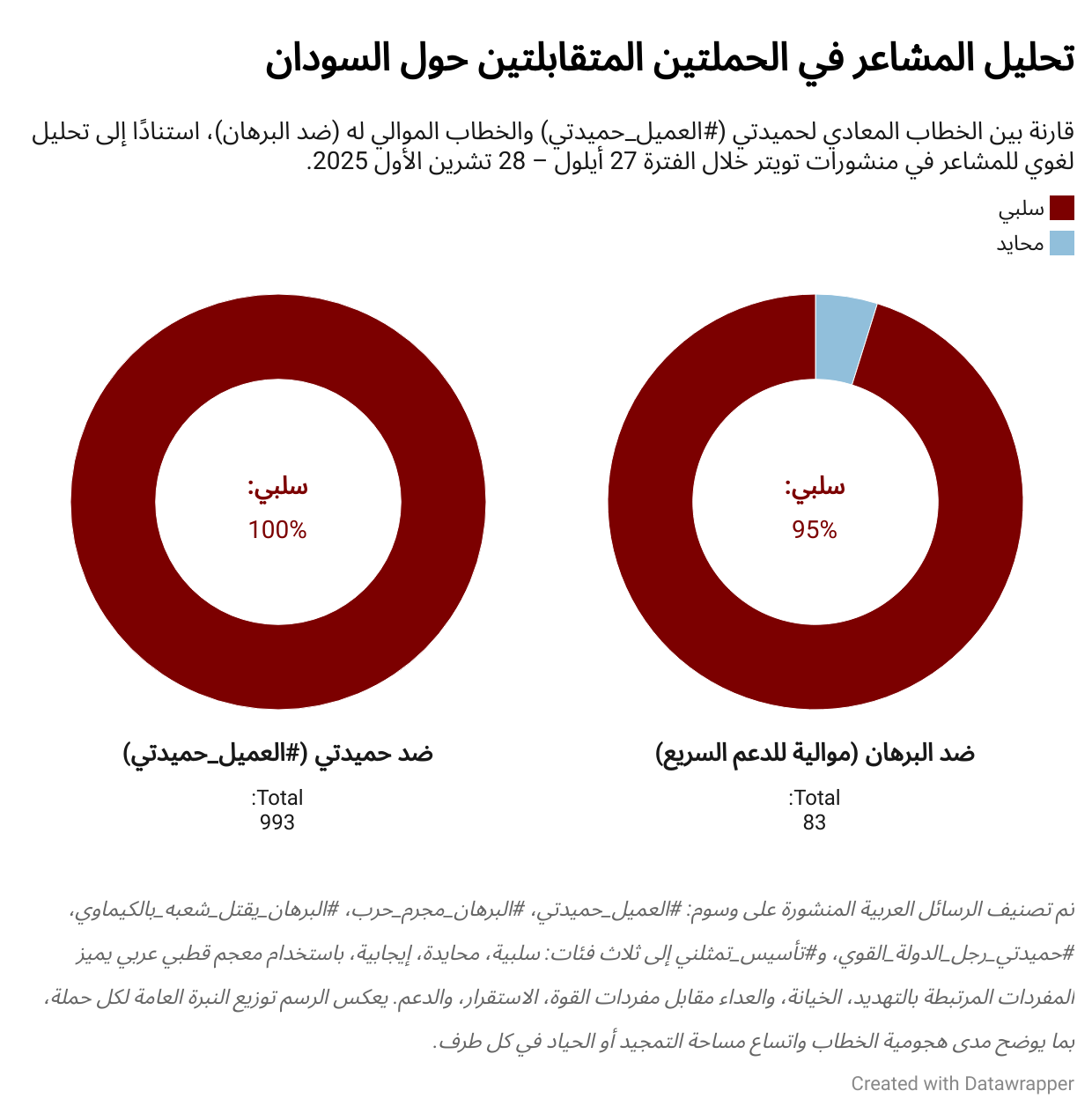
The activity on the counter-hashtags was less intense and spanned a longer period. Over a full month, only about 83 posts were observed across the four hashtags, with a minor surge in activity coinciding with the escalation of the Egyptian backed campaign. The net sentiment in these posts was extremely negative, ranging between -80 and -100, reflecting an aggressive rhetoric against Al Burhan, coupled with the exoneration of Hemedti and his presentation as a "strong statesman."
The campaign used more images and videos than text, relying on visual content that held Al Burhan responsible for the war and destruction, accused him of killing his people and using chemical weapons, and linked him to Islamists and Egypt.
The online campaigns exhibited contrasting rhetoric. Accounts supporting Egypt emphasized the protection of national security and the threat posed by the RSF, framing Hemedti as an agent of Israel. Conversely, those loyal to Hemedti employed a counter-narrative, defending the "civil state against the military."
These features integrate with the political context; the Egyptian mobilization began after statements by Hemedti that were interpreted as a direct threat to Egypt, while the counter-campaign came less than 24 hours later as a coordinated response, redirecting the accusation toward Al Burhan and questioning the independence of the Sudanese army.
Interacting Accounts and the Dynamics of Launch and Amplification
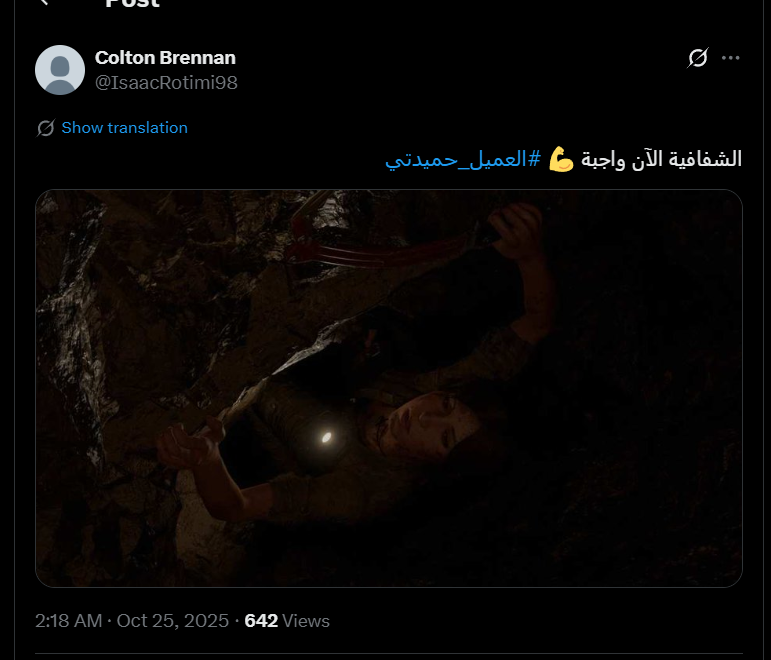
Interaction on the hashtag "#العميل_حميدتي" (Hemedti the Agent) started from the account IsaacRotimi98 at 01:18 AM on October 25, 2025, with almost no interaction at the moment of launch. The curve then quickly turned from isolated posts into a continuous wave, led by central accounts.
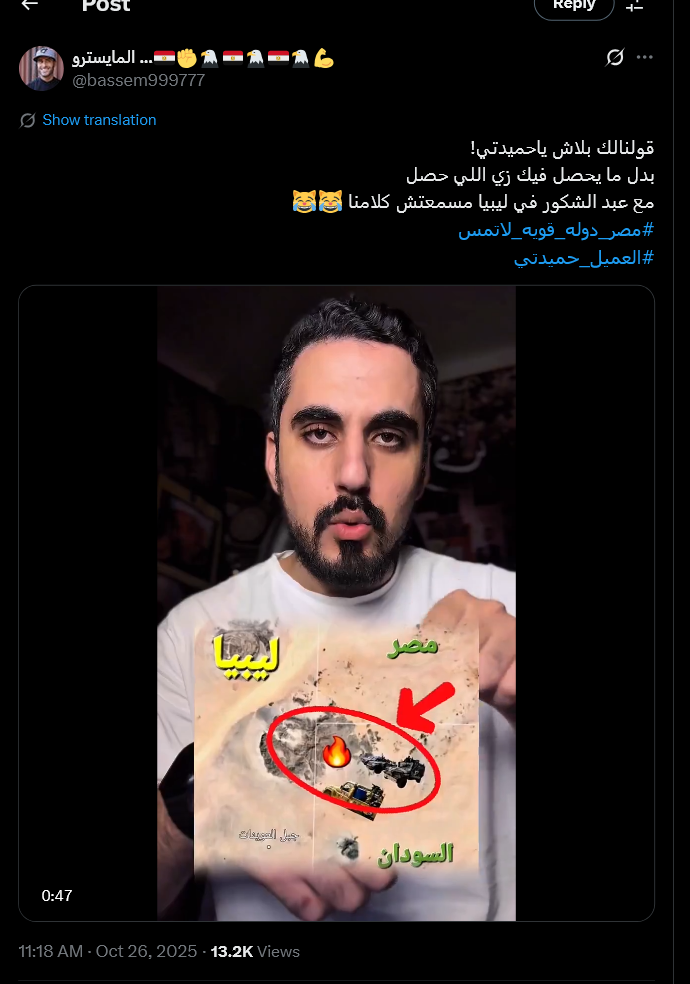
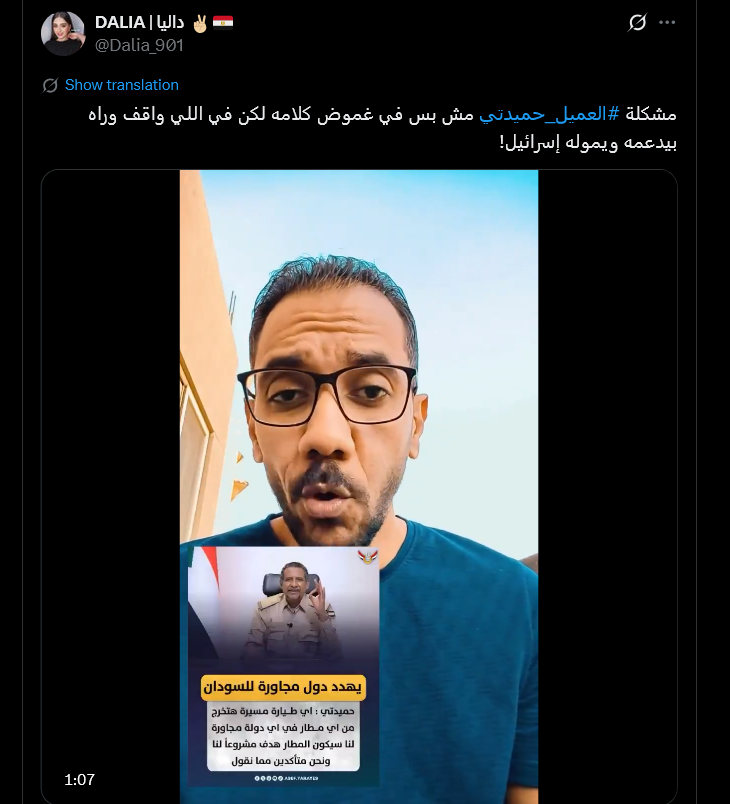
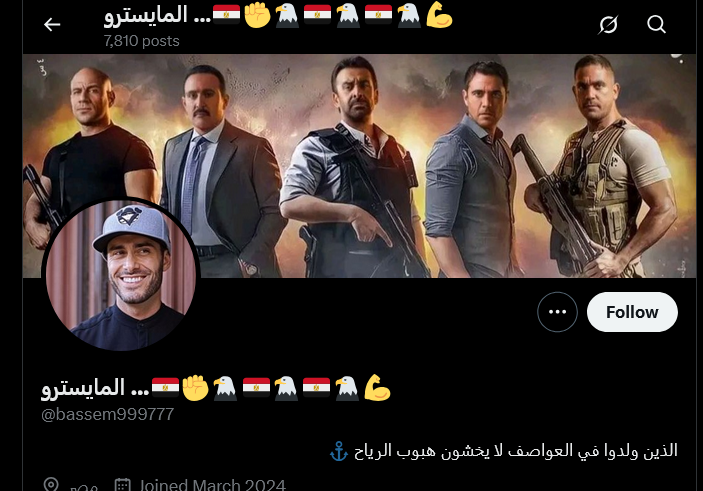
At the center of this network, the account bassem999777 appears as the clearest example of an "amplification node," achieving the highest total interactions on the hashtag across a limited number of posts, with a large share of engagement relative to its volume, reflecting a network influence that extends beyond its direct audience.
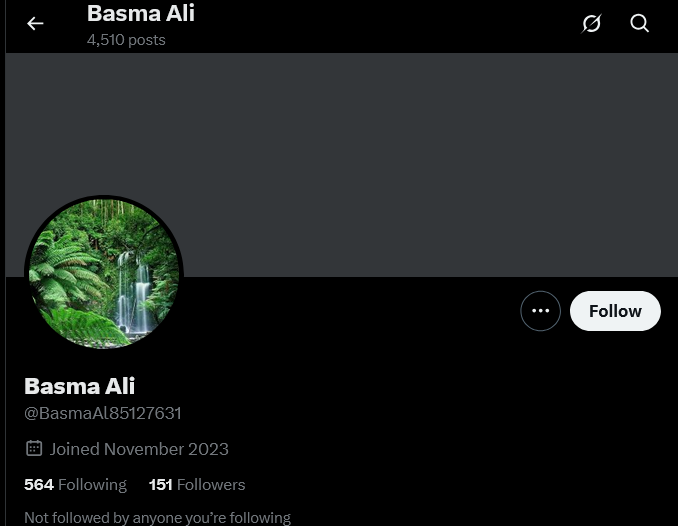
Surrounding it, different patterns of actors emerge, represented by accounts that repeat posting intensively; such as BasmaAl85127631, which published nearly 50 posts during the peak with limited engagement relative to the number, and others active in reposting and message transmission; such as bassemegy777, 25tahrirsquare, and ahmedrasad00.
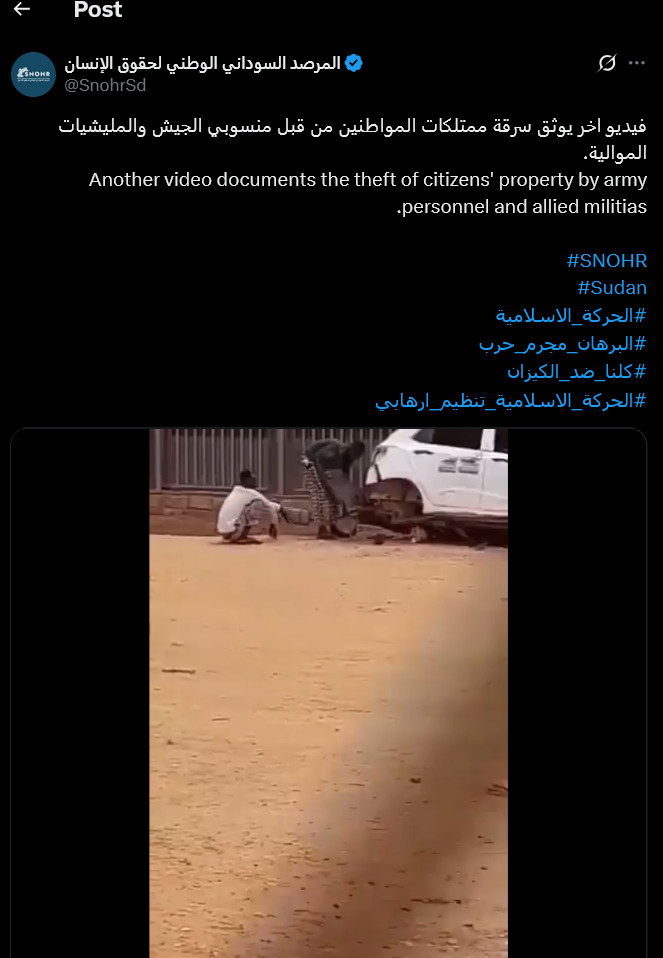
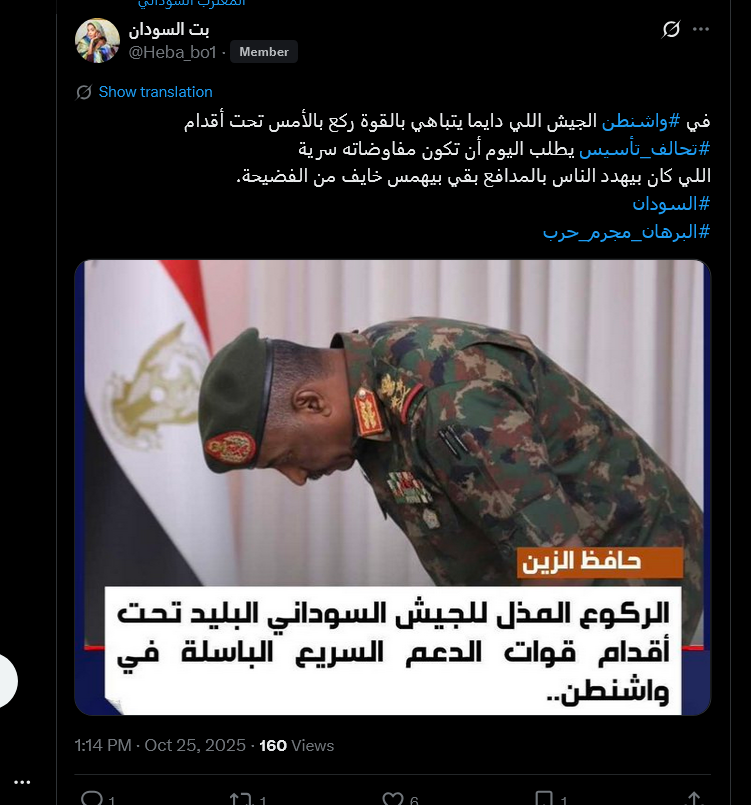
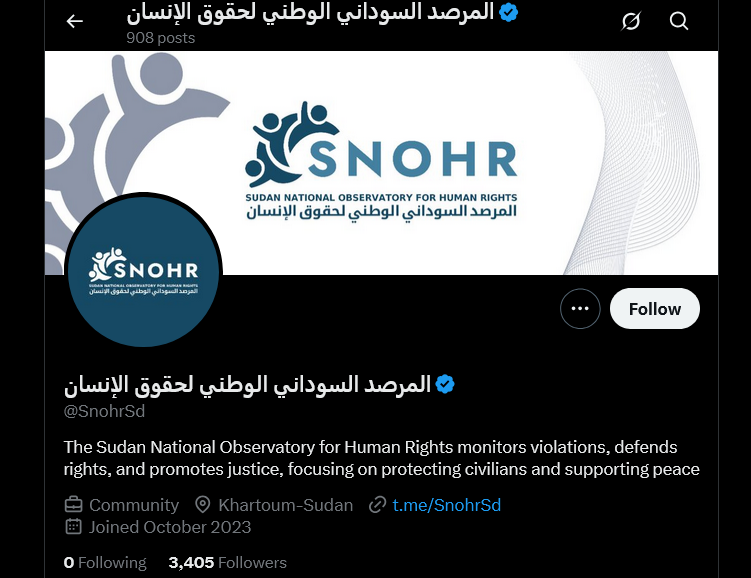
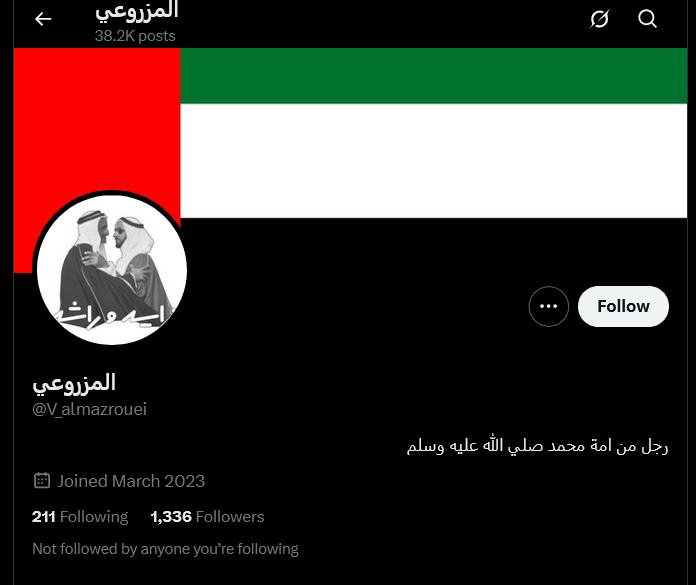
In contrast, accounts loyal to the RSF dominate the scene with the hashtags "#البرهان_مجرم_حرب" (Al Burhan is a War Criminal) and "#البرهان_يقتل_شعبه_بالكيماوي" (Al Burhan Kills His People with Chemical Weapons). The account SnohrSd achieved the highest engagement on these hashtags by publishing a small number of posts that generate a high percentage of shares, while accounts such as :naglaaalhassan, EnasMohammed56, V_almazrouei, and BinXMo repost them, forming a narrative that attacks Al Burhan and presents Hemedti as a "statesman."
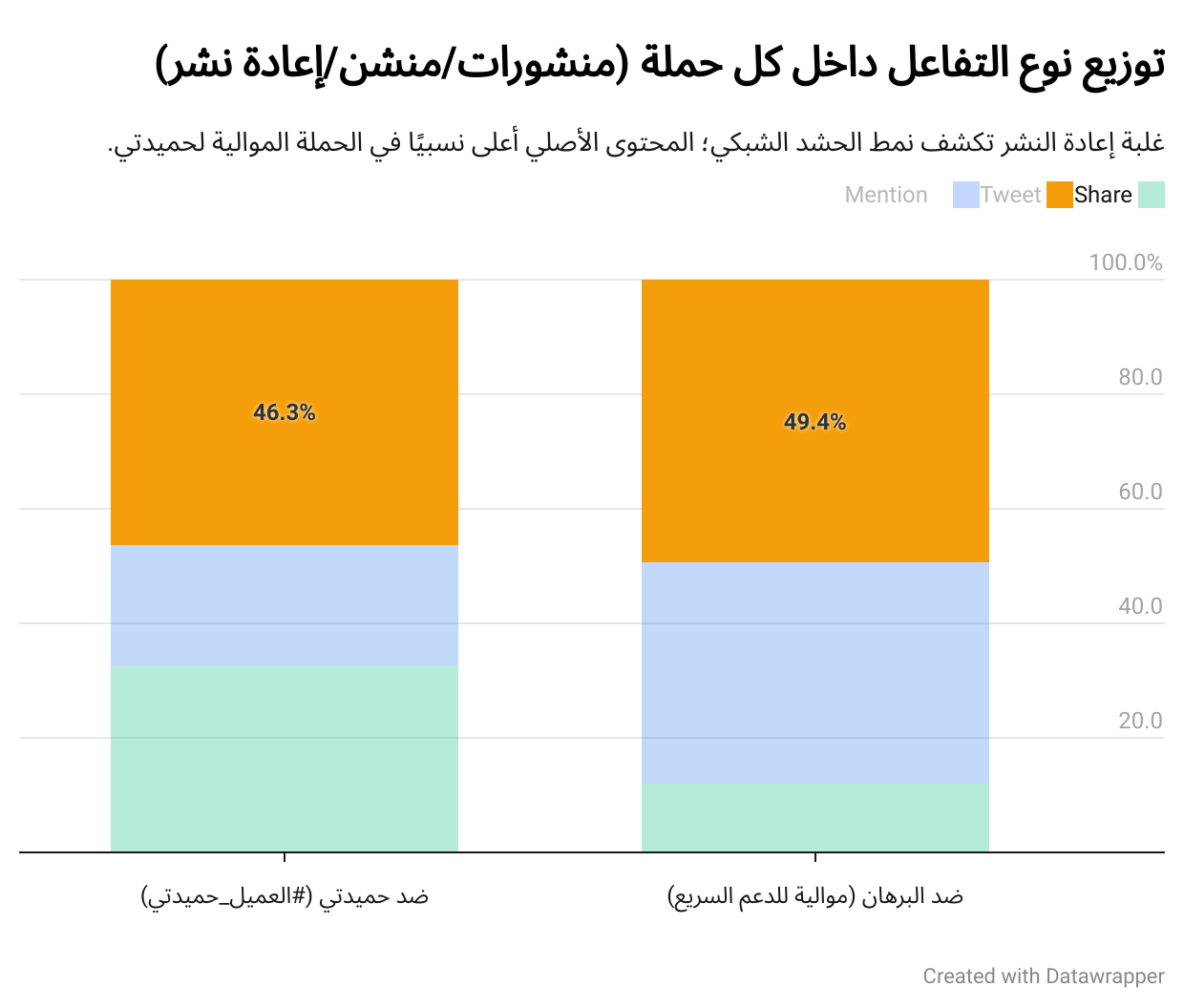
Network Analysis: Two Campaigns, One Template
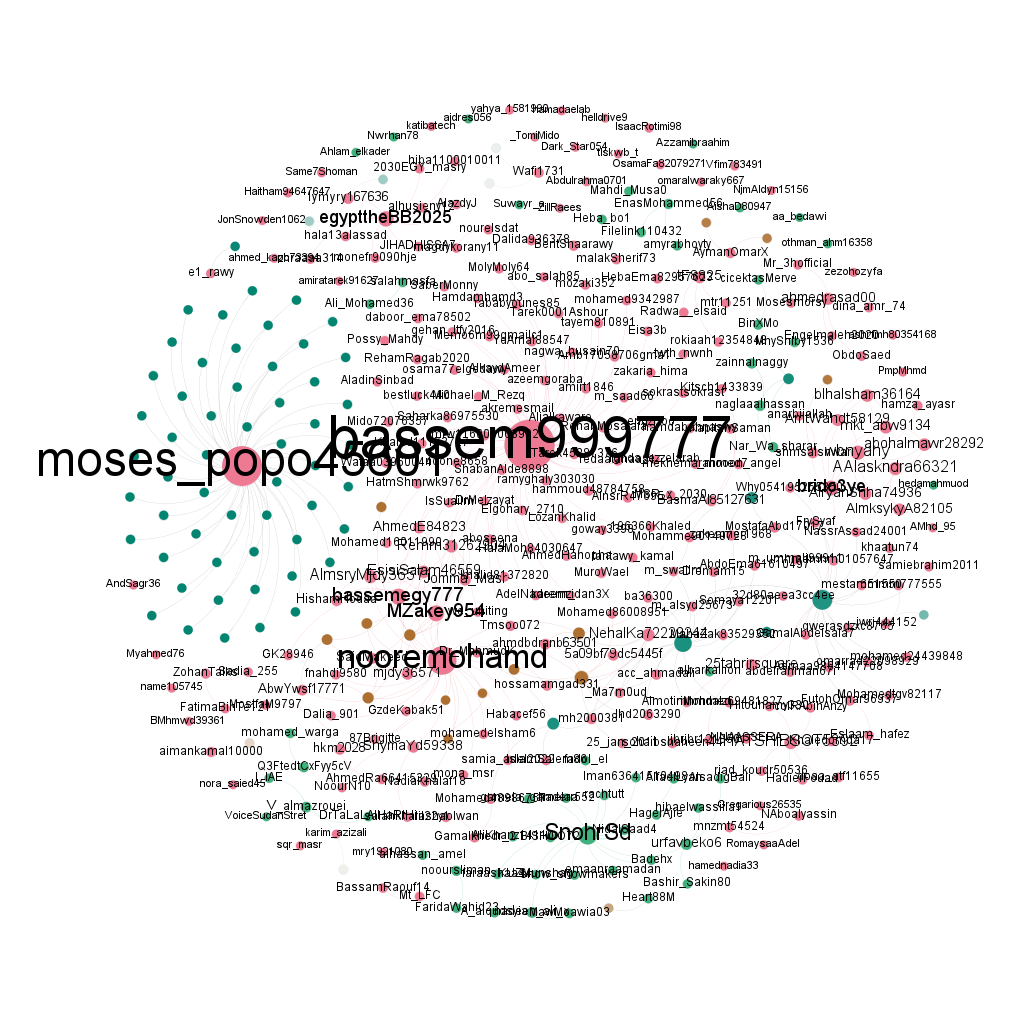
The hashtag "#العميل_حميدتي" (Hemedti the Agent) was initially sparked by a post from the account IsaacRotimi98 at 01:18 AM on October 25, 2025. This quiet beginning quickly escalated as accounts like bassem999777 repeatedly shared the original content. These successive shares consistently featured phrases like "Hemedti threatens Egypt's security... a response is mandatory," often accompanied by short links and video clips sourced from Egyptian talk shows.
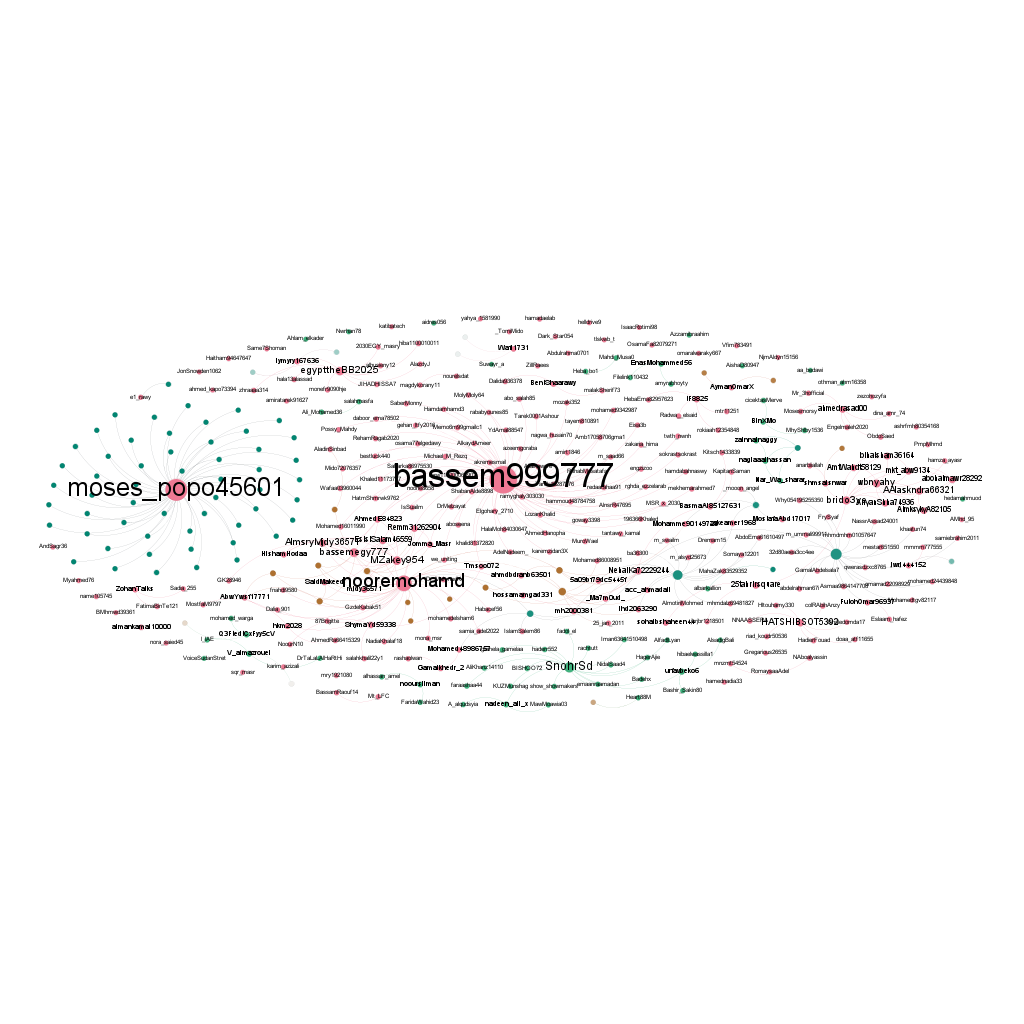
The opposing movement utilized hashtags such as #البرهان_مجرم_حرب (Al Burhan Is A War Criminal) and #البرهان_يقتل_شعبه_بالكيماوي (Al Burhan Kills His People with Chemical Weapons). This campaign employs a visual strategy, featuring images of war casualties, posters with absolute declarations, and brief videos. These visuals often use the term "chemical" in an accusatory light, with the goal of reshaping the public perception of the adversary.
The account SnohrSd presents an interesting contrast to the typical "amplification complex." While a small number of its posts are widely shared, the task of sustained output is shared by accounts like naglaaalhassan, EnasMohammed56, V_almazrouei, and BinXMo. These accounts maintain a careful balance between repetition and novelty: they use a nearly identical linguistic formula but subtly alter one or two words with each new set of photos. This slight variation is just enough to fool the algorithm, creating the illusion of constant, fresh content.
Analysis of the Campaign Discourse
Through the analysis of texts and interactions, a fundamental difference can be distinguished between two opposing languages: the "national security" discourse on the Egyptian side and the "civil state" discourse on the side supportive of the RSF, both using the same platform to establish their narrative and exclude the other.
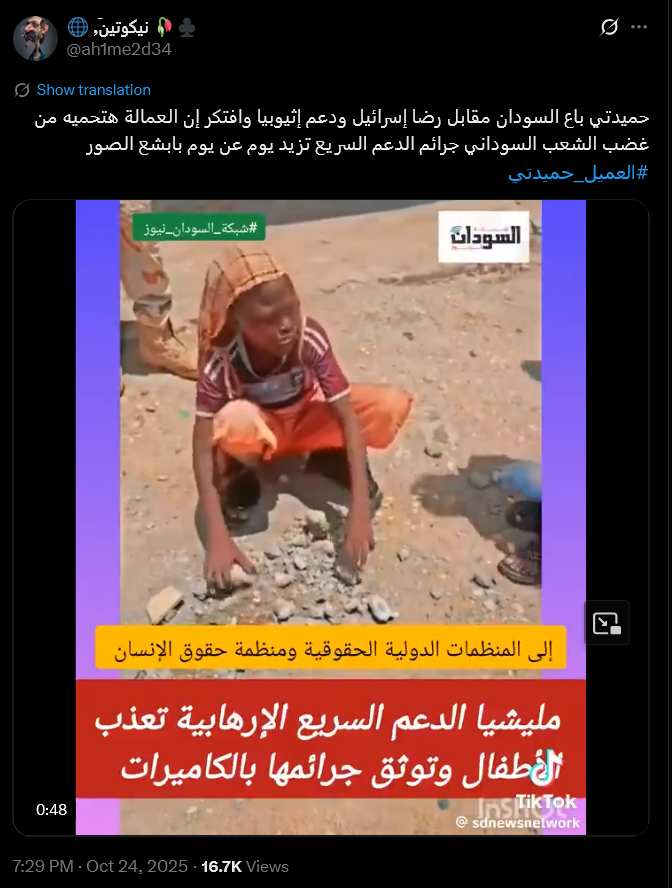
In the first campaign, Hemedti is repeatedly described as a "traitor" and a "threat," and words like "Israel," "national security," and "Egyptian army" are repeated as linguistic pillars that reproduce the image of the threatened homeland, while the discourse in the opposing campaign intensifies around Al Burhan as a "war criminal" and "murderer of his people."
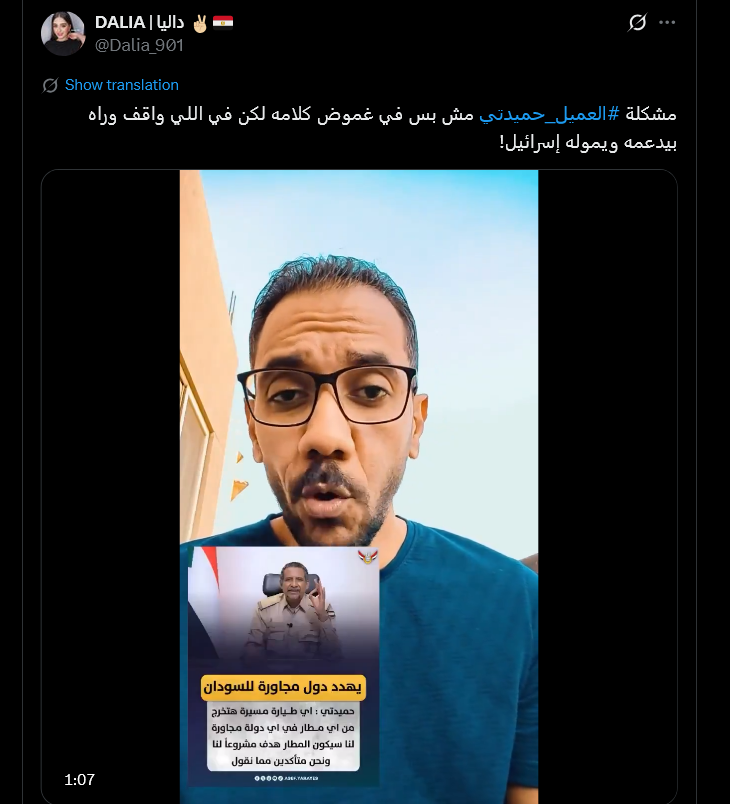
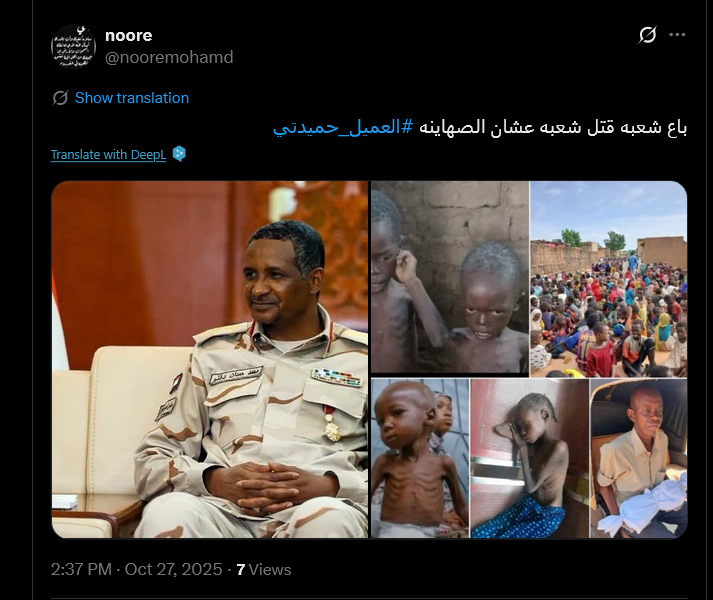
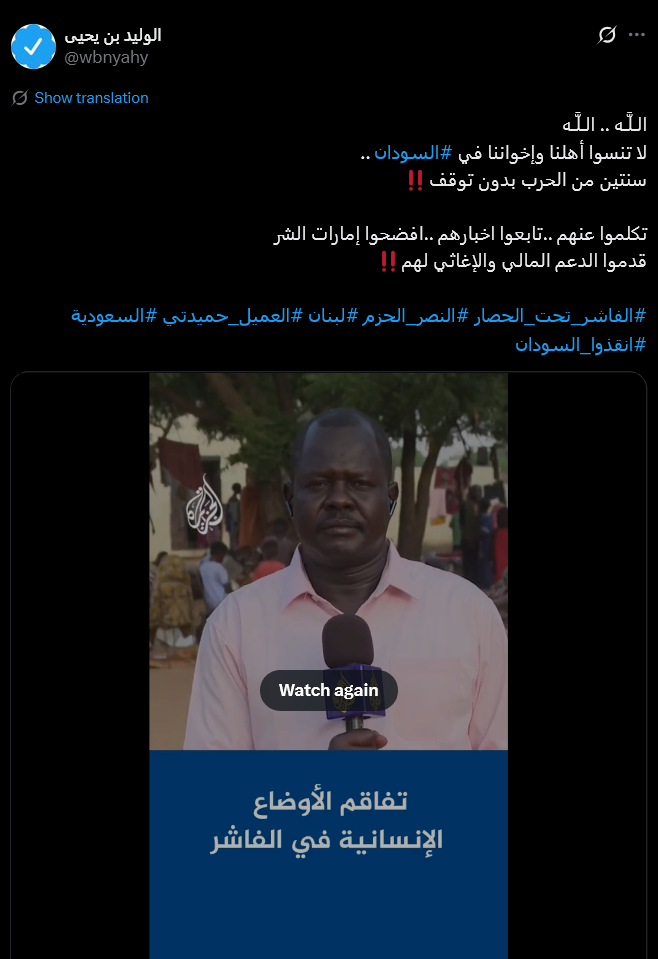
This similarity in style, despite the difference in the parties, confirms that both camps rely on the same template for building campaigns: content repetition and redistribution across a network of accounts that coordinate their posting during peak times to exploit the platform's algorithm. While news links are used in the Egyptian campaign as "external" evidence to support the official stance, the RSF-loyal campaign prefers to rely on images and videos clipped out of context or presented as "live testimonies." In some cases, posts were monitored containing old images from the Darfur war that were used under the hashtag "#البرهان_يقتل_شعبه_بالكيماوي" (Al Burhan Kills His People with Chemical Weapons), with a new caption suggesting they occurred recently. This technique of recycling previous materials to stir current emotion is considered one of the indicators of visual disinformation adopted by organized campaigns when evidence is lacking.
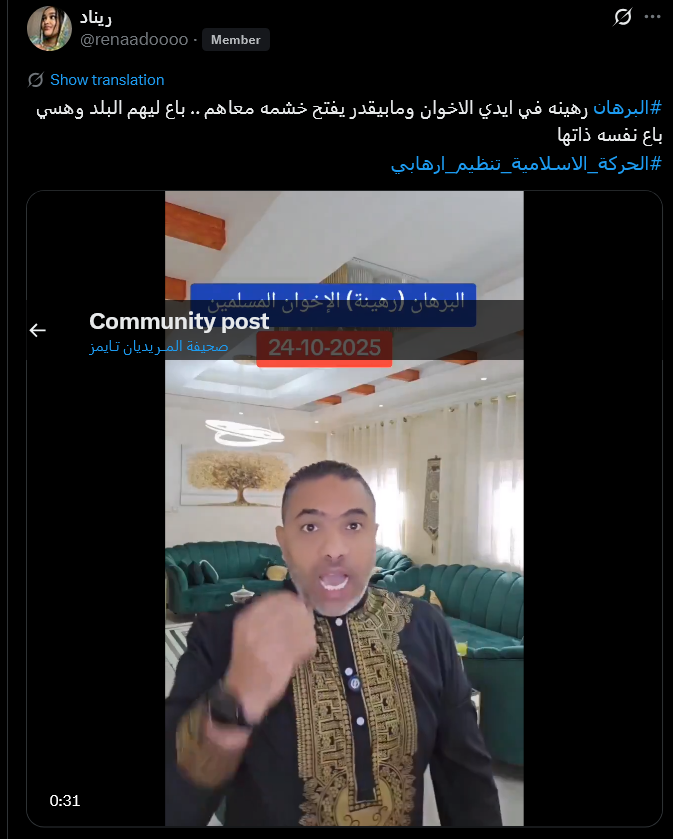
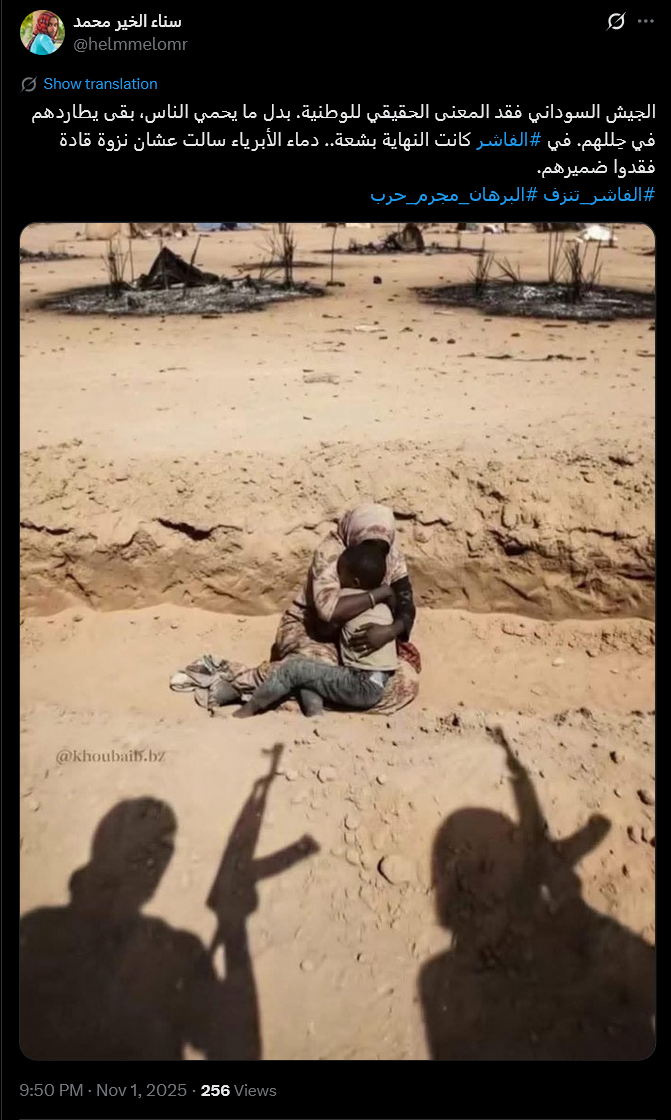
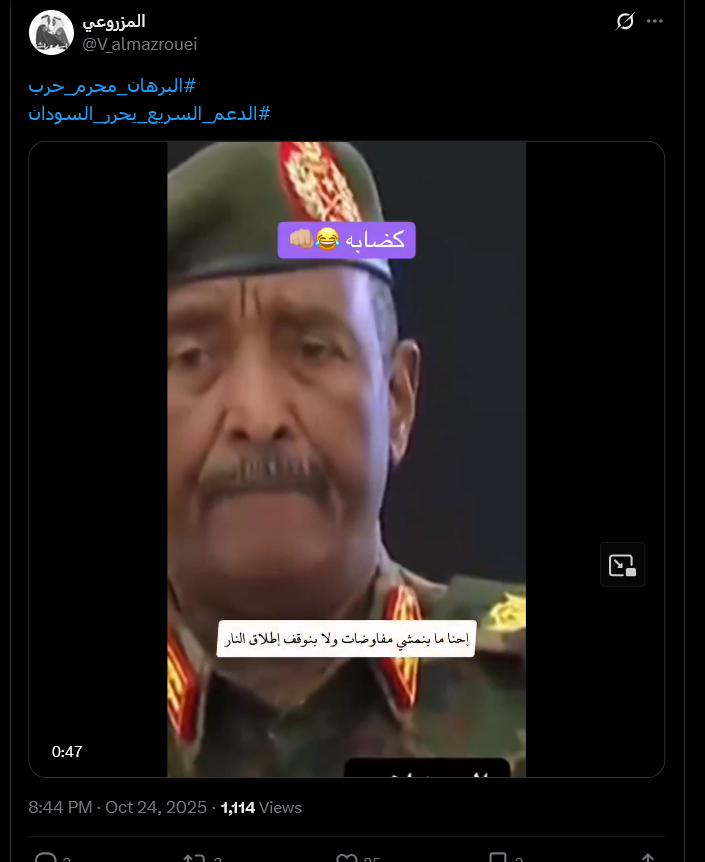
This behavior intersects with other signs of automated or semi-automated activity. Accounts lacking a profile picture, geographical location, or biography, and using many hashtags in a single post, are repeated on both sides.
Impact and Geographical Spread
Analysis of documented geolocation data and user interactions reveals a clear concentration of activity around the hashtag "Hemedti the Agent" within Egypt, which accounted for over 52% of the total accounts with a known location. Lesser, yet still significant, activity extended into the UAE and Saudi Arabia. This pattern indicates that the engagement primarily occurred within a politically interconnected Arab media sphere.
Conversely, the RSF's supporting campaign operates a more geographically interconnected network, with its accounts distributed across Sudan, South Sudan, the Gulf region, and East Africa. A significant number of these accounts are bilingual, using both English and Arabic.
The Egyptian campaign quickly sparked a sharp but brief wave of audience interaction. This intense, though temporary, spike in public discussion was driven by a mix of national sentiment and political alignment, leaving a short-lived impact on online trends.
In contrast, the counter-campaign achieved a longer interaction time, albeit weaker at its peak, as its posts continued to circulate in a style of small peaks every few days, which indicates deliberate management of presence through accounts that recycle old rhetoric and link it to new events inside Sudan. This temporal sustainability gives the second campaign a cumulative impact that gradually solidifies the image of Al Burhan as an "internal enemy" and an "extension of Egypt," which is reflected in the comments repeated by ordinary users outside the coordinated circle, such as: "Al Burhan sold Sudan to the Egyptians" or "Hemedti, despite everything, is more patriotic than Al Burhan."
Although both camps used clear online amplification tools, the level of natural interaction—unrepeated replies and open discussions—was relatively higher in the campaign supporting the RSF. Tweets were found that carried a personal or analytical nature; such as the comment of one Sudanese user: "Al Burhan is the cause of all this blood, and Egypt's claim of neutrality is false," which achieved 190 retweets from verified real accounts. Whereas the interaction observed on the Egyptian side largely consisted of repetitive, copied content, prioritizing slogans over genuine discussion. This pattern suggests the impact was transient, a mobilization confined to the immediate political context.

Other Articles