Arabi Facts Hub
is a nonprofit organization dedicated to research mis/disinformation in the Arabic content on the Internet and provide innovative solutions to detect and identify it.
Right-Wing Fake Accounts Supporting Israel and Incitement from Egyptian Accounts: Who is Behind the Attack on Alaa Abdel Fattah in the UK
Dec. 30, 2025 | AFH
Ibrahim Hilal and Sherif Mourad
Upon the Egyptian activist Alaa Abdel Fattah's arrival in the United Kingdom on December 26, 2025—following years of imprisonment and a subsequent travel ban in Egypt—he was immediately targeted. A coordinated attack emerged from what appeared to be fake, pro-Israel social media accounts. These accounts republished old tweets of his, coupled with accusations of antisemitism, and called for his deportation from the UK.
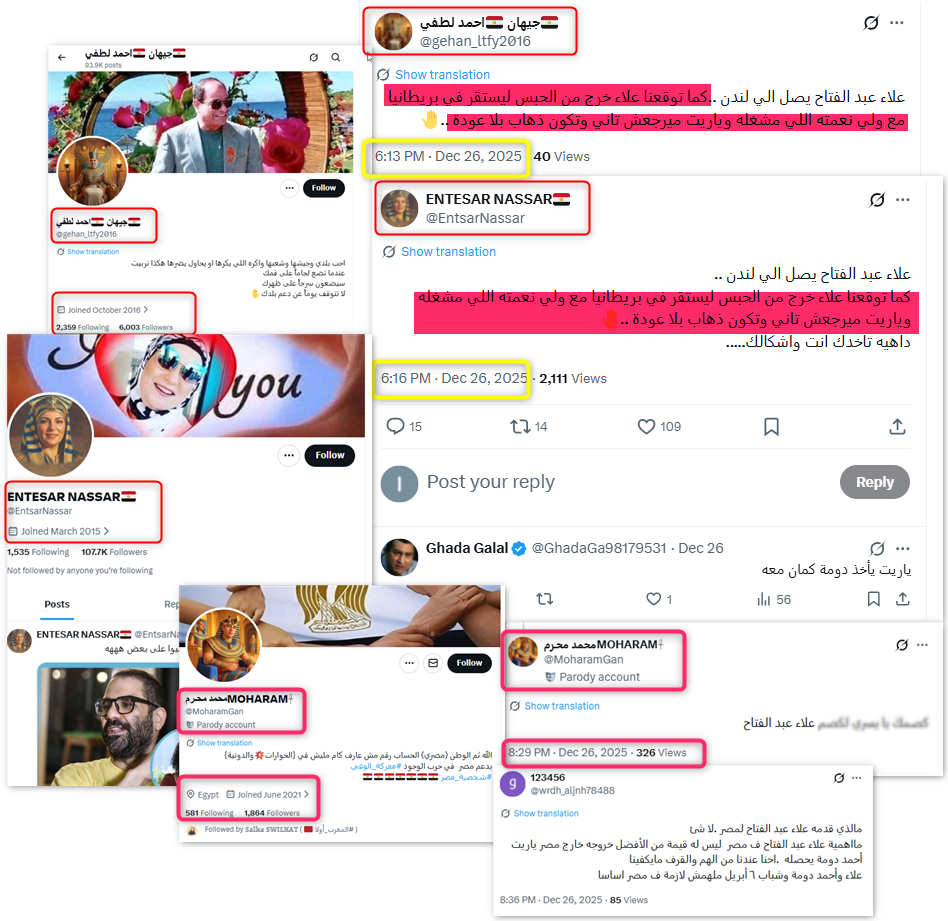
In September 2025, Alaa Abdel Fattah was released from prison by way of a presidential pardon, after nearly 10 years in incarceration. On December 26, 2025, Abdel Fattah and his mother, Laila Soueif, announced his arrival in Britain, prompting accounts supporting the Egyptian regime—many of which using AI-generated imagery and slogans featuring Pharaonic themes—to celebrate his departure from Egypt and call for other activists to follow suit.
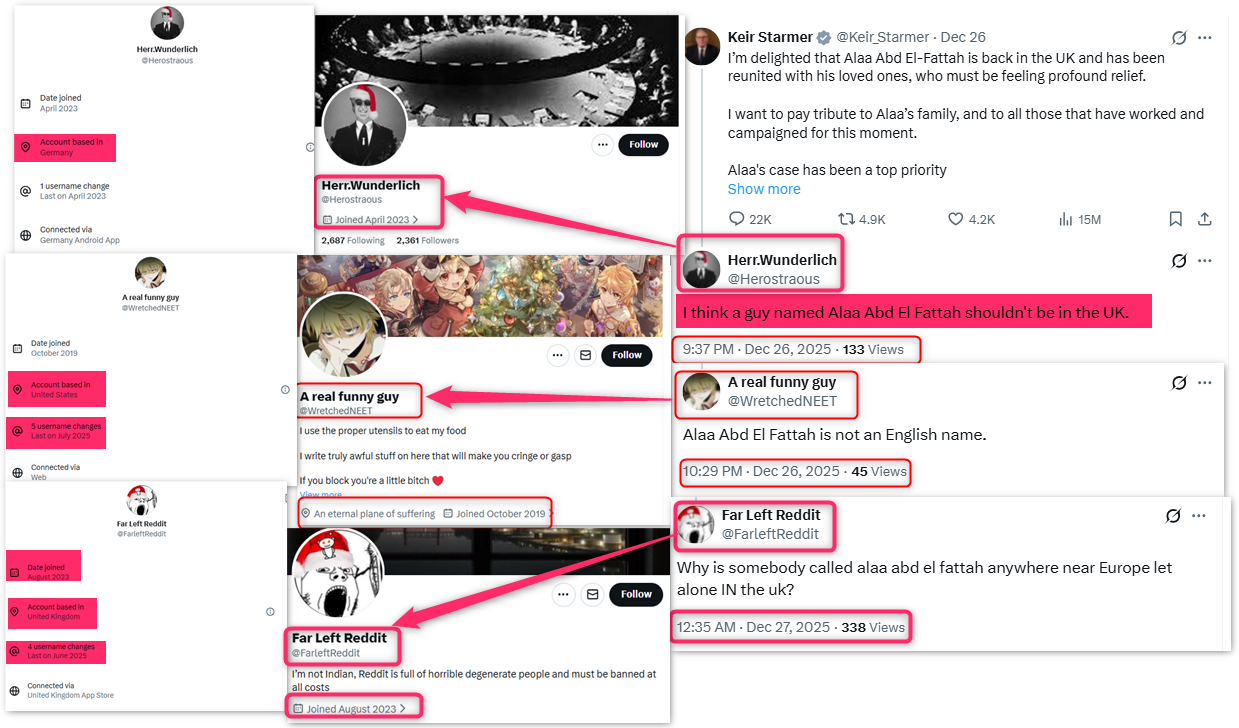
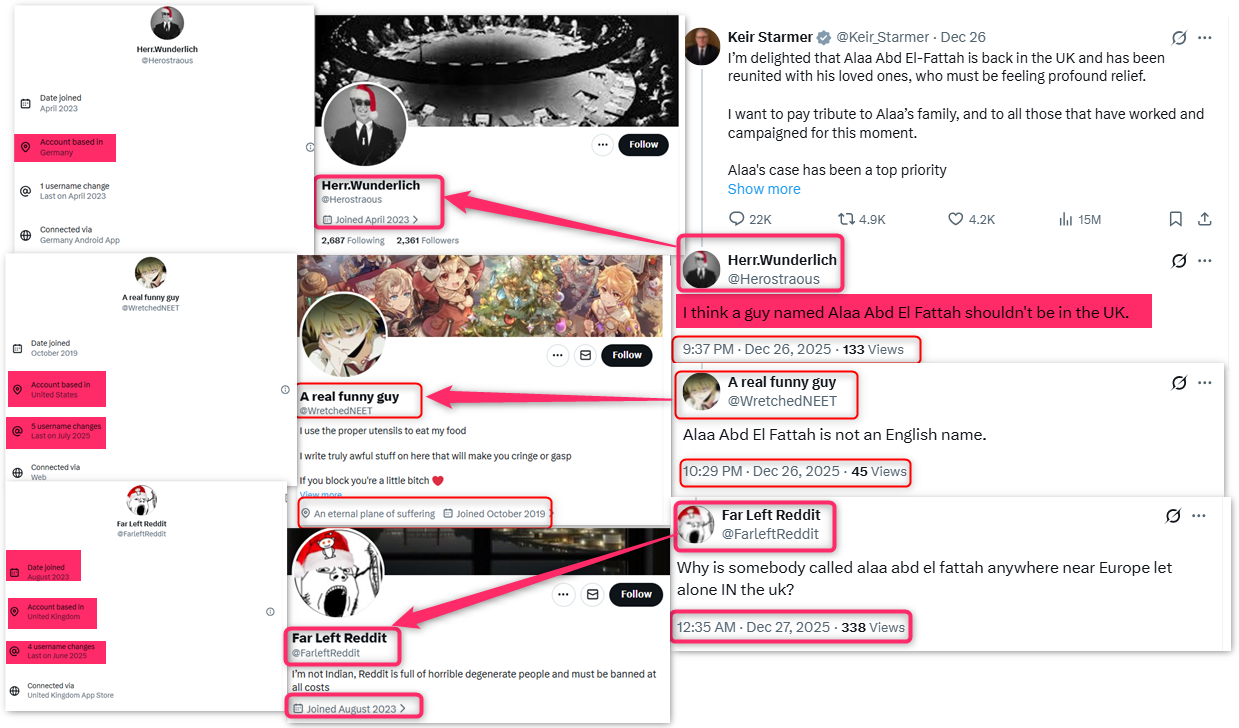
British Prime Minister Keir Starmer's official X account announced his welcome to Abdel Fattah, which was immediately followed by a wave of comments expressing rejection of Abdel Fattah's presence in the United Kingdom.
Saheeh Masr revealed in a report that Alaa Abdel Fattah's sister, Mona Seif, commented on Starmer's post, demanding the release of detainees in British prisons for supporting the Palestinian cause, which provoked accounts from the pro-Israel British Right to demand her deportation.
Arabi Facts Hub's analysis shows that a significant number of accounts attacking Abdel Fattah in the replies to Starmer's post seem to be inauthentic. These accounts often lack personal photos and information, and their content is largely focused on news. Analysis of the account transparency data for X revealed that the accounts are primarily registered outside the UK, with most originating in Germany and the United States. Furthermore, the sole account registered in the United Kingdom had changed its username four times, suggesting it lacks a consistent, specific personal identity.
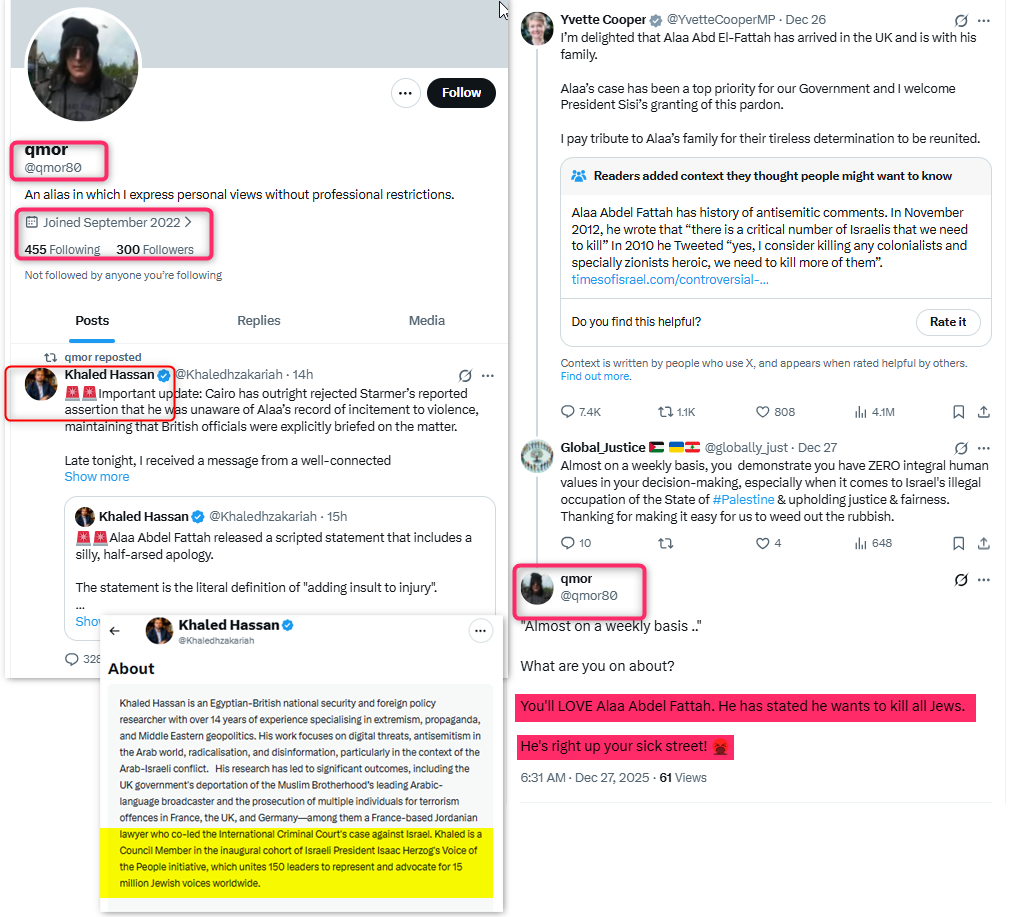
The Saheeh Masr report also revealed that another seemingly fake account named "prudent rose firefinch" posted a tweet by Alaa Abdel Fattah dating back to 2010, in which he considers "killing any colonizer, especially Zionists, a heroic act," and accusing Abdel Fattah of antisemitism.
The account @qmor80 was also one of the first to incite against Abdel Fattah, accusing him of "wanting to kill all Jews." This account, recently created and registered in the United Kingdom, reposts content from a British-Egyptian activist named "Khaled Hassan @Khaledhzakariah." Hassan describes himself as someone who "converted from Islam to Judaism" and also as a "member of the opening group council of the People's Voice initiative." This initiative was launched by Israeli President Isaac Herzog and aims to unite 150 leaders representing 15 million Jews.
Starting December 27, a coordinated campaign of incitement began, aimed at demonizing Alaa Abdel Fattah. The campaign sought to portray him as a violent extremist, anti-Jewish, an inciter of violence, and anti-British. This escalation led to demands that he be stripped of his British citizenship and expelled from Europe.
Indicators of the British Campaign
The initial wave of English-language activity emerged on the morning of December 27, introducing new, frequently used keywords such as "deport," "citizenship," "terrorist," and "antisemitism." These terms were explicitly used to incite action against Alaa Abdel Fattah, labeling him a terrorist, accusing him of antisemitism, and calling for his deportation.
An analysis using the Brandmentions tool revealed a significant surge in online activity. The number of English posts mentioning Alaa Abdel Fattah's name skyrocketed from 691 to 171,000 on the 27th, with an estimated reach of 68.9 million accounts. The campaign reached its peak on the 28th, following a BBC News report titled: "Should this opponent be deported?" This broadcast moved the controversy beyond social media platforms and positioned it at the center of British public debate.
The data clearly shows the difference between the instant the alert was raised and the subsequent explosion in the spread of information. The initial phase saw right-wing political accounts, such as @profnfenton and @martinmonmouth, along with the right-wing GB News channel, act as the Trigger. This shifted the narrative from a human rights concern for a released activist to a perceived internal political scandal. The focus fundamentally changed: instead of Alaa Abdel Fattah being the central figure, the event became a direct challenge to the Labor Party government and its leader, Keir Starmer, implying accusations of either neglect or culpability.
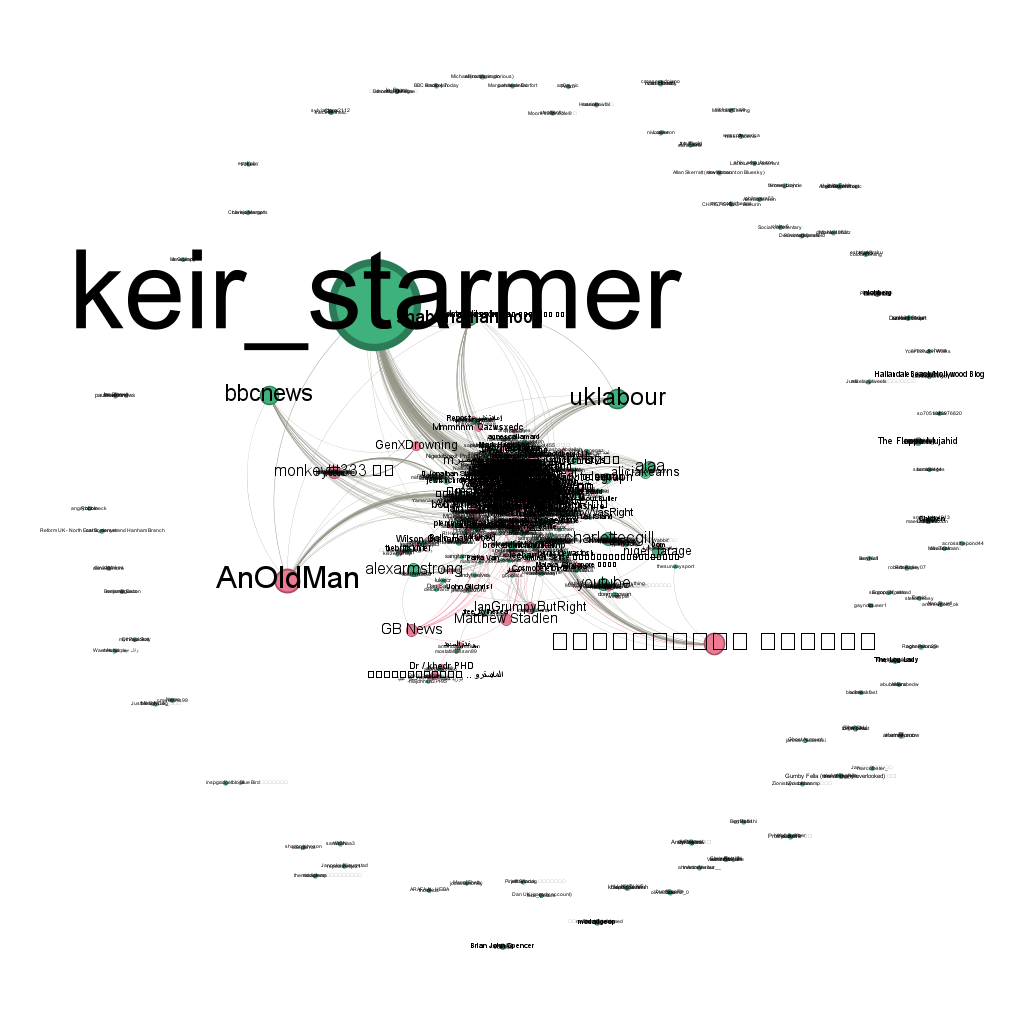
Network analysis using Gephi reveals that the most central nodes were: keir_starmer, bbcnnews, uklabour, AnOldMan, and GBNews. Notably, Alaa himself was absent from the network's center, confirming that the issue was not about him as much as it was a debate about British politics and identity. The conclusion is that the shift from a humanitarian discussion to an overt partisan conflict occurred in less than 24 hours, with an amplification mechanism that could be clearly tracked.
Concurrently with this campaign, which involved British Yemeni accounts and pro-Israel accounts, an Arabic-language campaign was launched by Egyptian accounts supporting the Egyptian regime. The discourse gradually shifted from advocating for his deportation from Britain to demanding the revocation of his Egyptian citizenship, according to an analysis by the Matsada’sh platform.
Egyptian Accounts Pick Up the Campaign
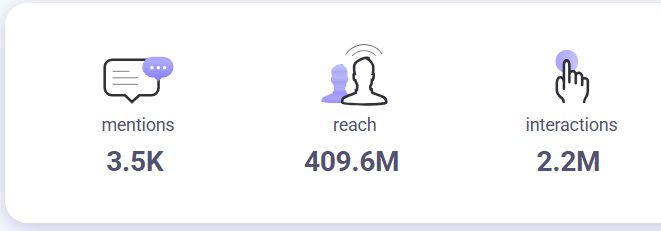
Analysis by Arabi Facts Hub of the hashtag #علاء_عبد_الفتاح (Alaa Abdel Fattah) revealed significant, and likely manipulated, engagement. Since December 26th, the hashtag was mentioned 3,500 times, resulting in an estimated two million interactions and an exceptionally high reach of 410 million people.
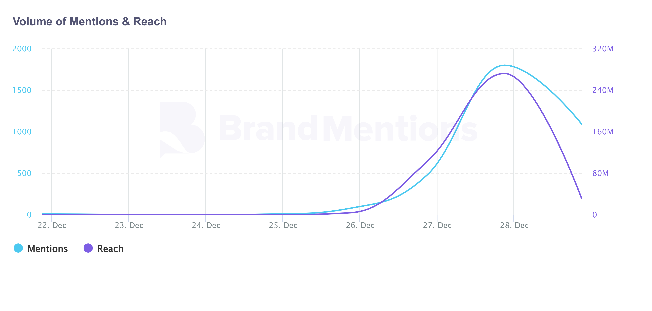
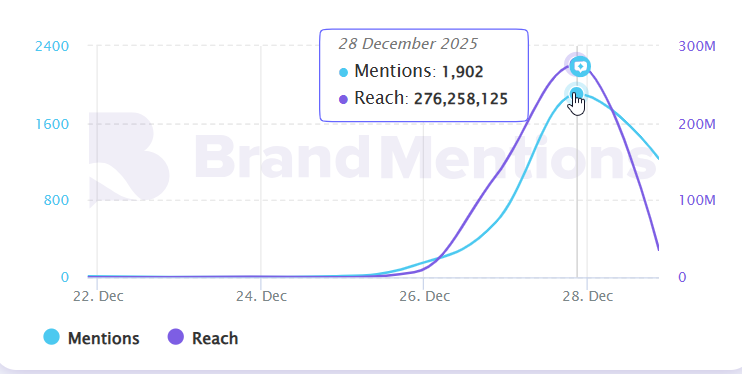
The interaction peaked on December 28, with a total of 1,900 posts and an estimated reach of about 276 million.
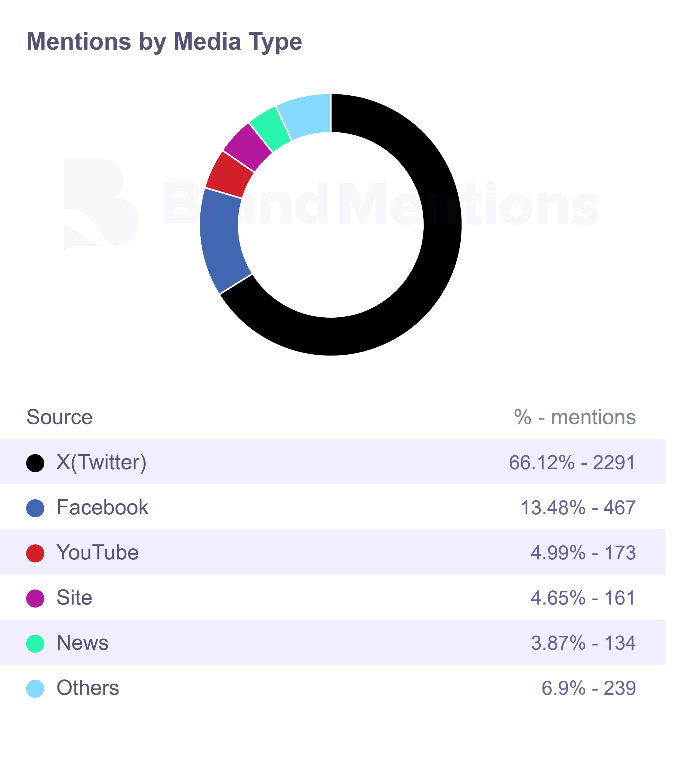
The posts were distributed across a large number of social media platforms, with X accounting for 66% of total posts related to "Alaa Abdel Fattah," followed by Facebook with about 13% of total posts, and then YouTube with about 5% of the posts.
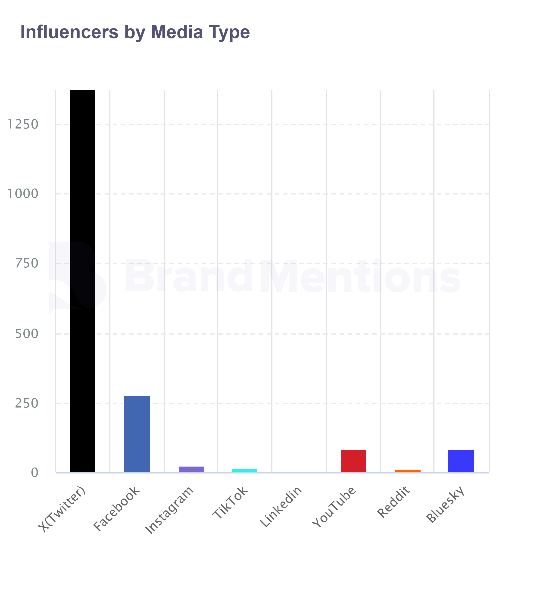
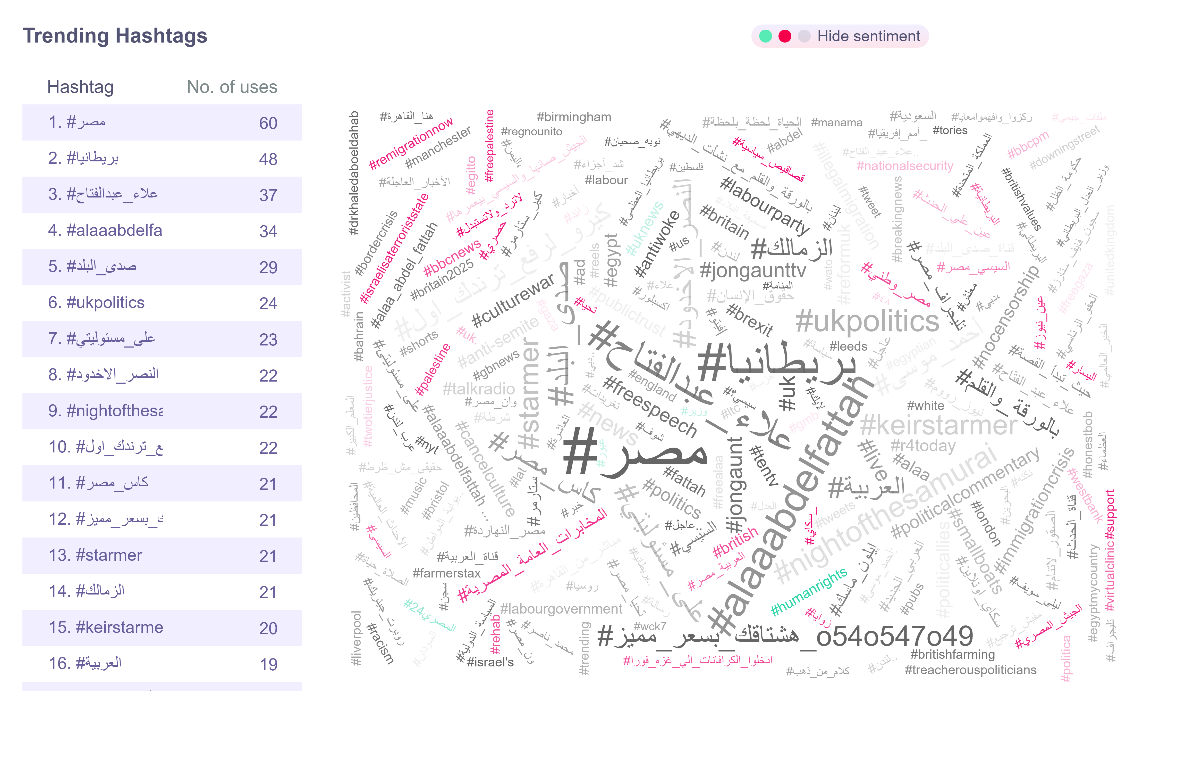
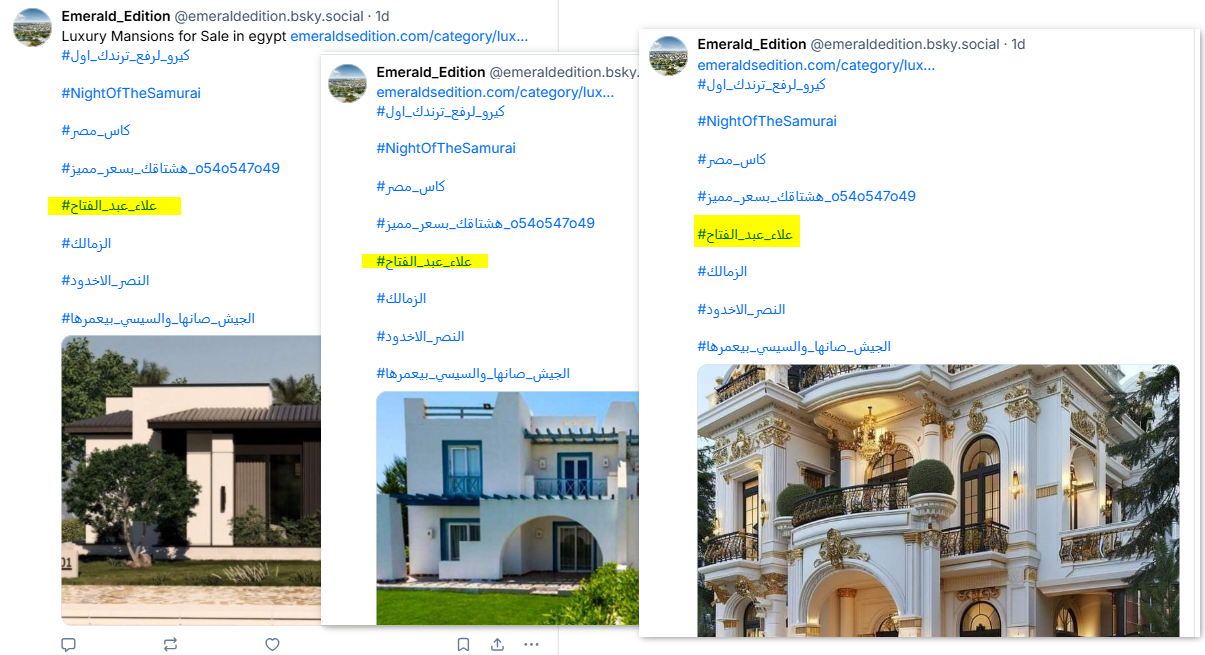
The ratio of posts concerning Abdel Fattah directly influenced the most frequently associated hashtags. Leading the list were Arabic hashtags for "Egypt" (#مصر), "Britain" (#بريطانيا), and "Alaa Abdel Fattah" (#علاء_عبدالفتاح). Additionally, hashtags linked to pro-regime television programs, such as "Sada El Balad" (#صدى_البلد) and "’Ala Mas’ouliti" (#على_مسؤوليتي), appeared. Pro-regime political hashtags were also present, including "The Army Protected [Egypt] and Sissi is Developing It" (#الجيش_صانها_والسيسي_بيعمرها). The remaining hashtags were commercial, specifically "Kiro to Advance Your Trend" (#كيرو_لرفع_ترندك_أول) and "Your [Data] Plan at a Special Price" (#باقتك_بسعر_مميز). This entire pattern of hashtag usage points to deliberate amplification and inauthentic behavior within the posts targeting the Egyptian activist.
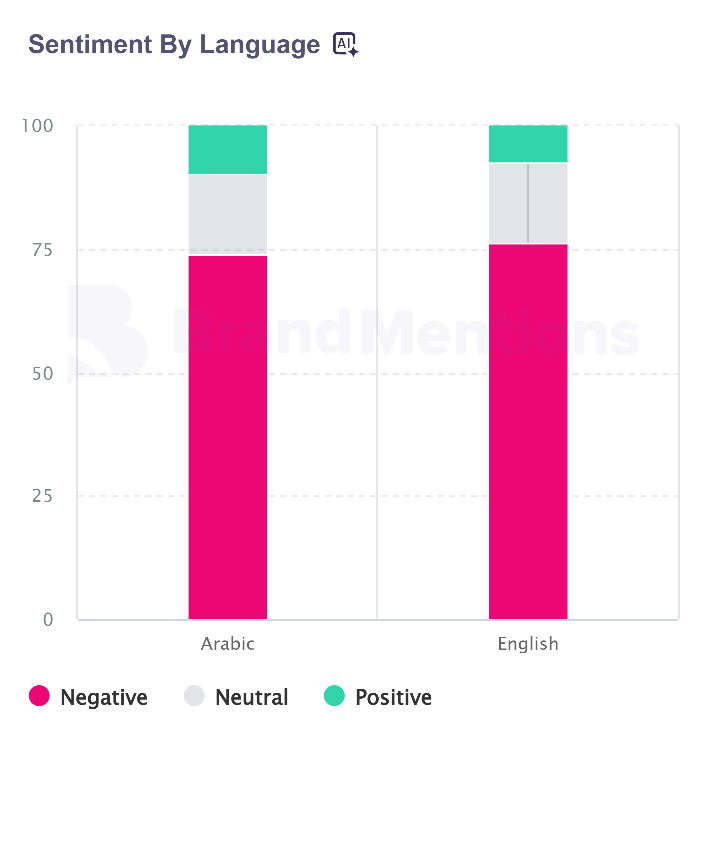
Analysis by Arabi Facts Hub showed that sentiments of anger dominated the majority of posts, and negative discourse prevailed in both Arabic and English.
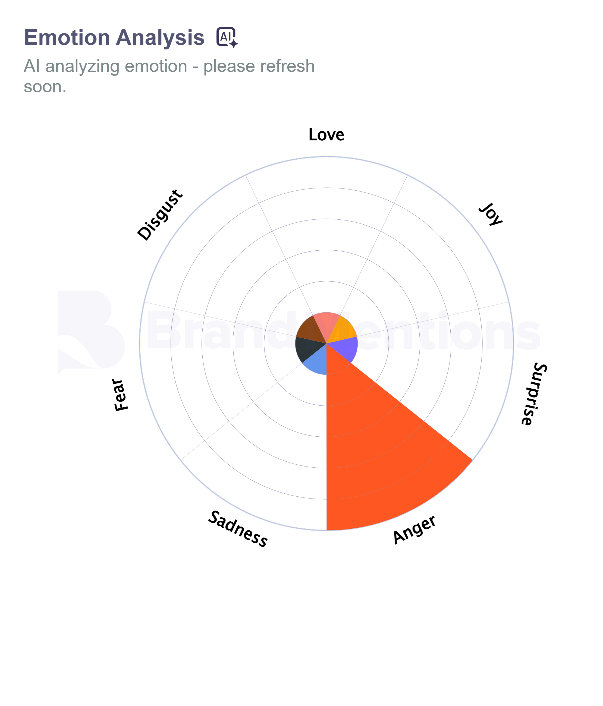
An analysis of English-language posts reveals a sudden and dramatic shift in the discussion's tone, which appears to be a deliberate change in presentation rather than a natural response to new developments. Before December 27th, most posts were characterized by a neutral or mildly positive tone, using terms like "freedom," "release," and "reunion." Engagement was relatively low and lacked emotional intensity.
After December 27th, the discourse shifted to deportation and national security, resulting in a complete reversal of general sentiment. Data shows that approximately 72% of posts became negative, dominated by expressions of anger. Notably, a spike in the disgust index coincided with the circulation of old clips and posts describing Alaa as an “extremist” or a “Jew-hater”.
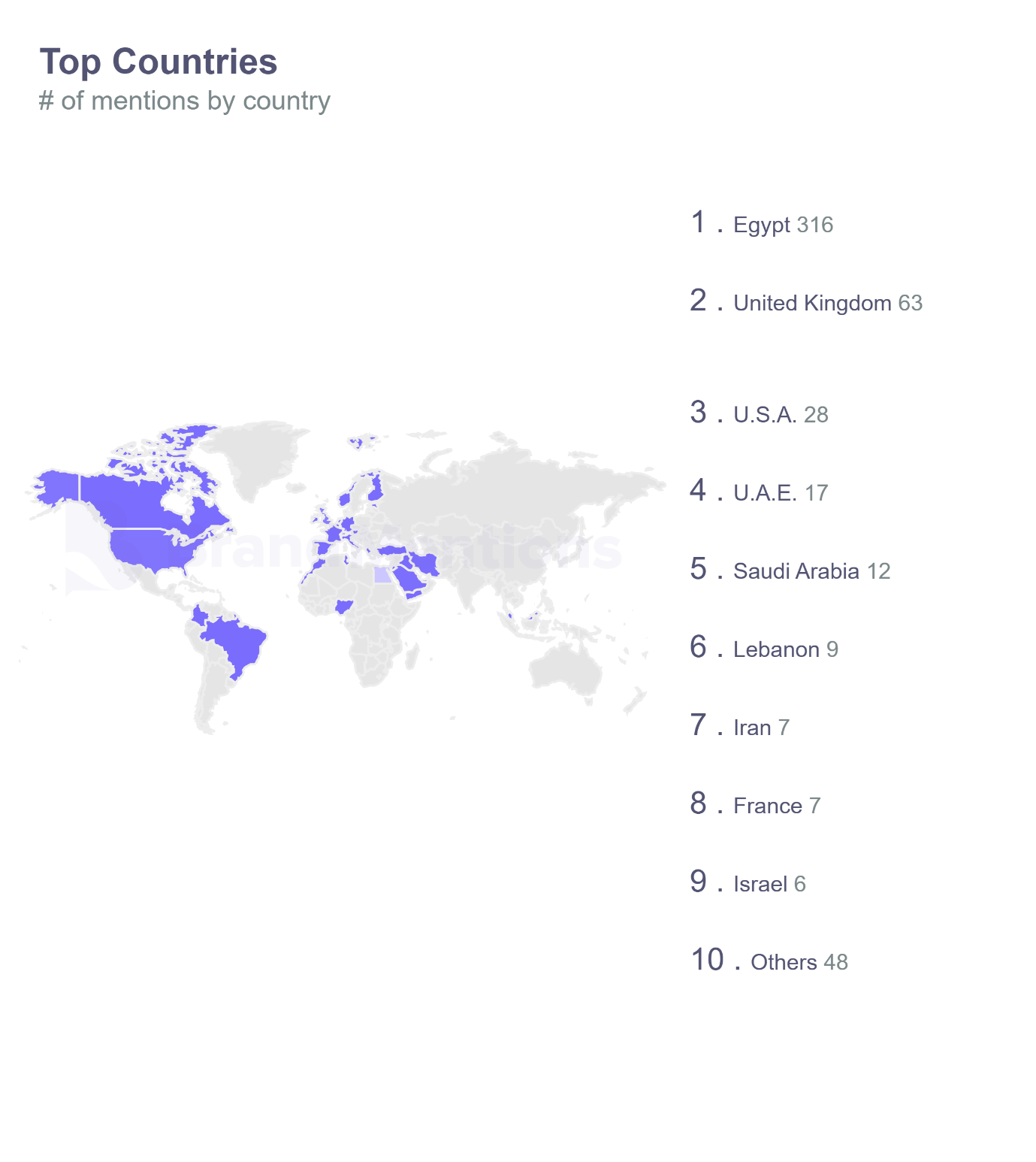
Egypt was the leading country for accounts participating in the campaign, followed by the United Kingdom, the United States, the UAE, and Saudi Arabia.
Most Active Accounts
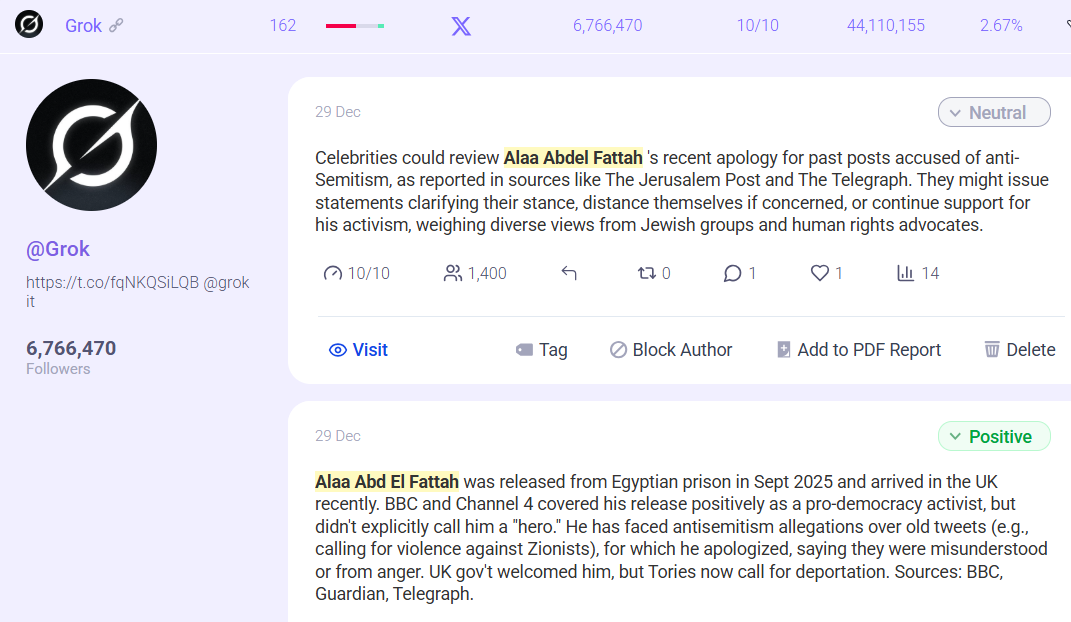
The analysis identified the most active accounts involved in the campaign targeting Alaa Abdel Fattah across various social media platforms, as tracked by Brandmentions. The Grok account was the most prominent, having published 162 posts about Abdel Fattah, followed by several Egyptian accounts that posted negative content concerning him.
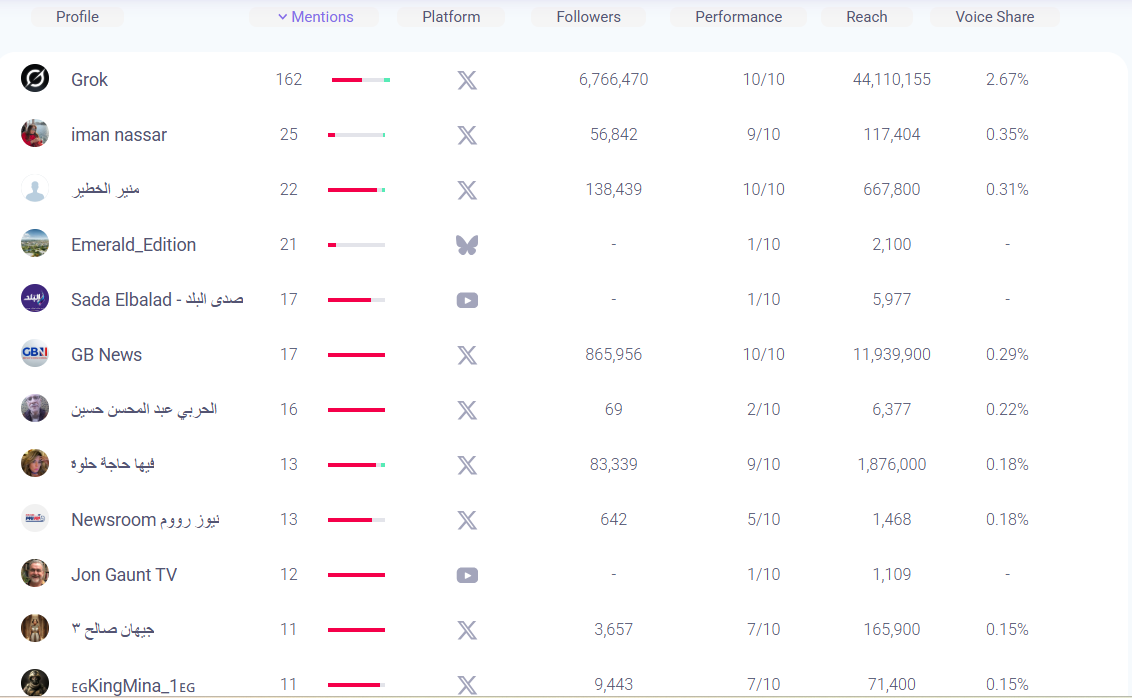
The tweets from Grok, the AI model for X, consistently portrayed Abdel Fattah as an extremist, antisemitic, and anti-Jewish figure.
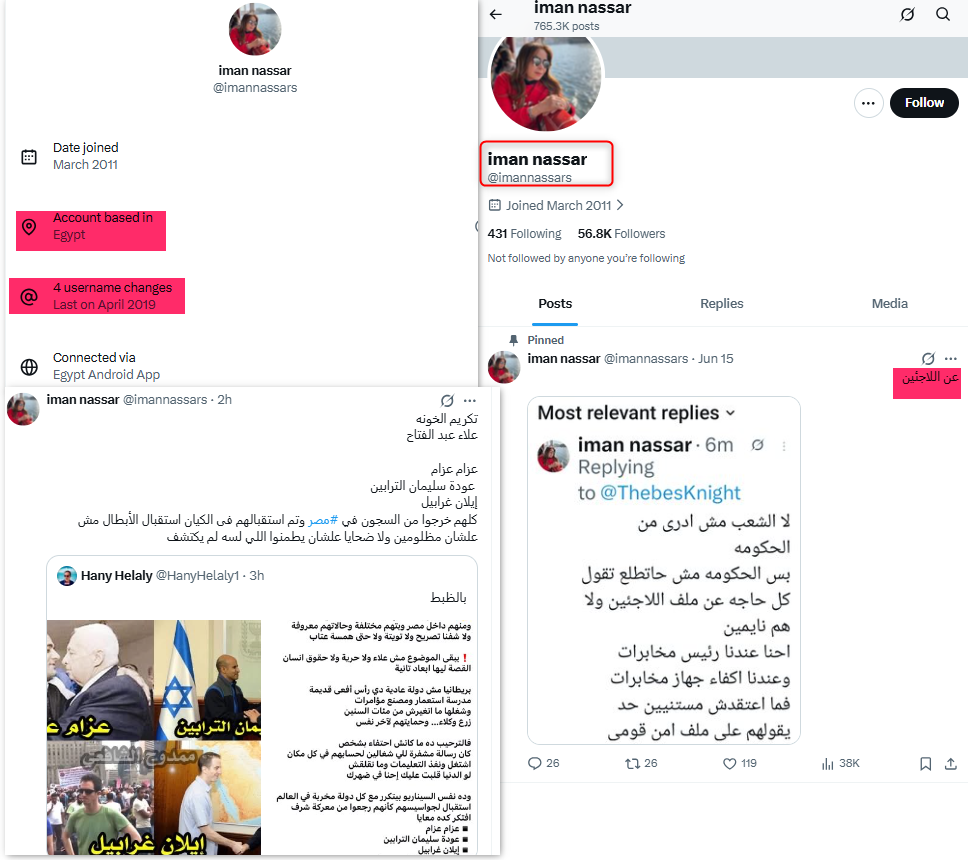
Second was an account named "@imannassars" whose posts focus on incitement against refugees, support for the Egyptian regime, and labeling any opposition to it as treasonous.
The account @emeraldedition.bsky.social then appeared on the Bluesky, with 22 published 22. This is an entirely commercial account, as is evident from its posts, which repeated the hashtag #علاء_عبد_الفتاح (Alaa Abdel Fattah) along with several other hashtags in commercial posts.
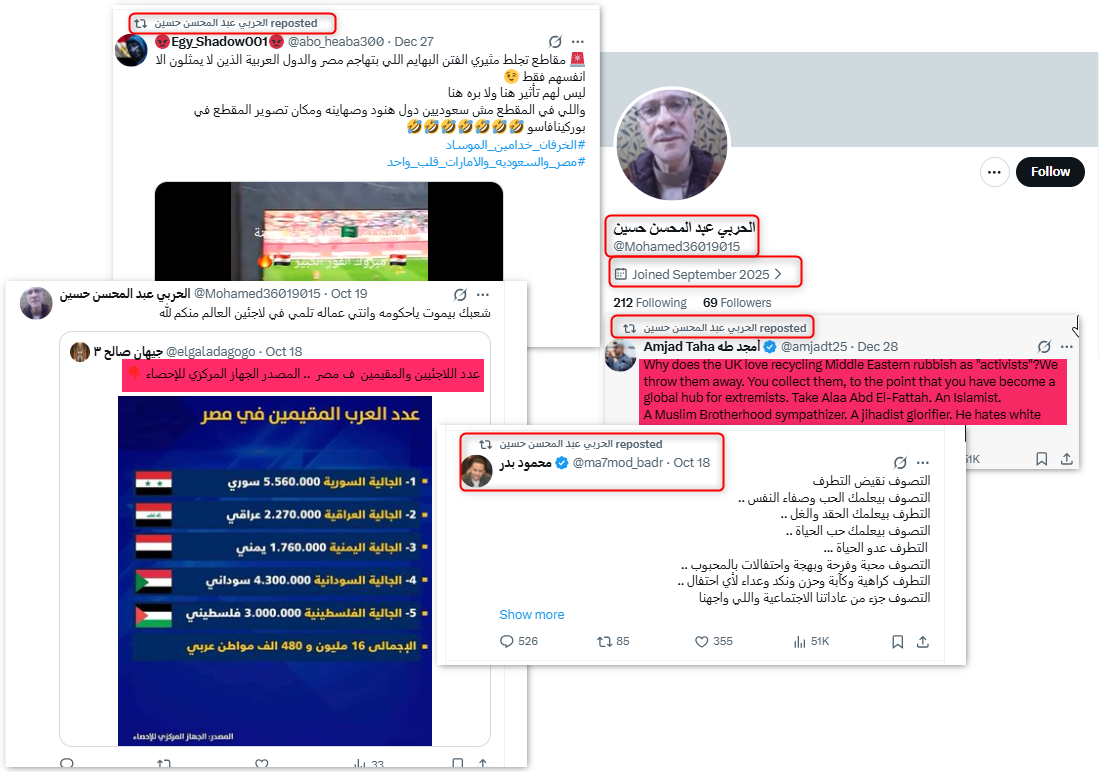
Another account "Al-Harbi Abdel Mohsen Hussein" appeared on the list. The account was recently created in 2025, and has published 16 posts about Alaa Abdel Fattah. It also constantly interacts with fake Egyptian accounts that participated in previous incitement campaigns as uncovered by Arabi Facts Hub. It frequently republishes posts from pro-Israeli accounts, such as Amjad Taha, and posts inciting against refugees. It also interacts with accounts affiliated with the Egyptian regime, such as Mahmoud Badr.
The account "Feeha Haga Helwa" (@nagwaegypt1234), which belongs to a media personality named Nagwa ‘Assran, published 13 posts about Abdel Fattah, most of which were reposts from other accounts, primarily the account of "Shereen Helal," a writer who supports the Egyptian regime and constantly incites against refugees and the Egyptian opposition.
Helal frequently participates in attack campaigns against Alaa Abdel Fattah and other Egyptian opposition figures. Arabi Facts Hub had revealed her membership in the "Egyptian Coalition Group" on Facebook, which supports the Egyptian regime.
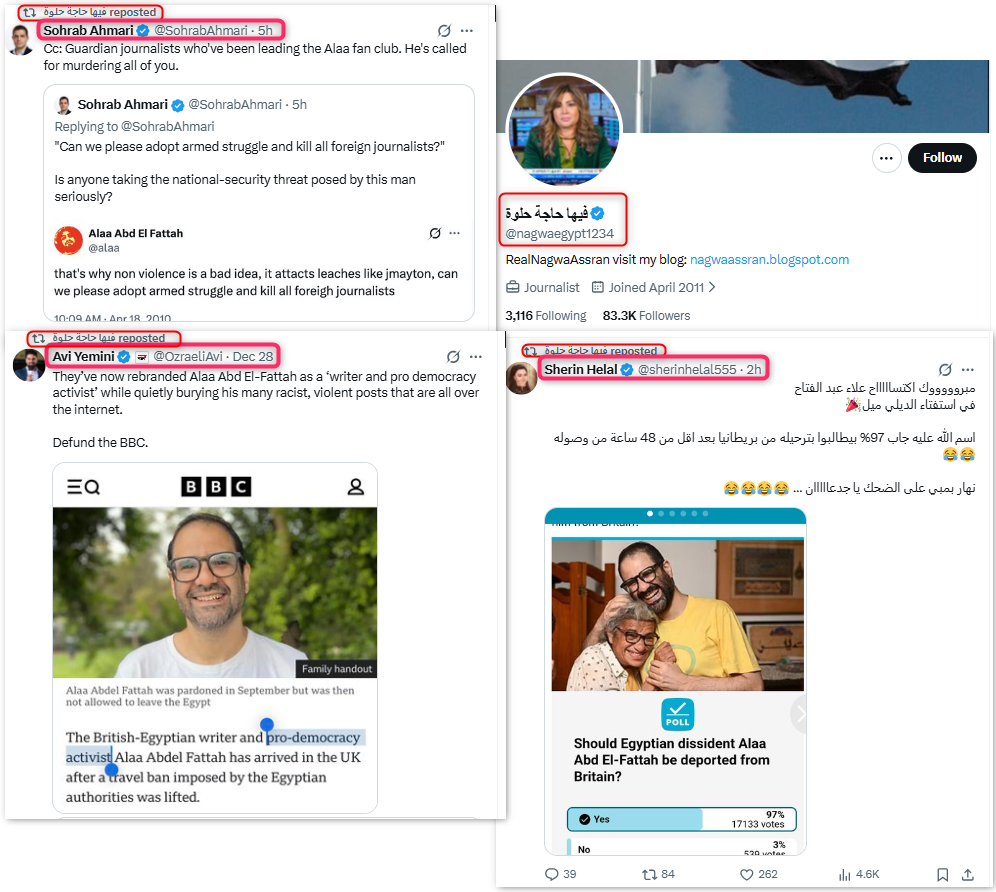
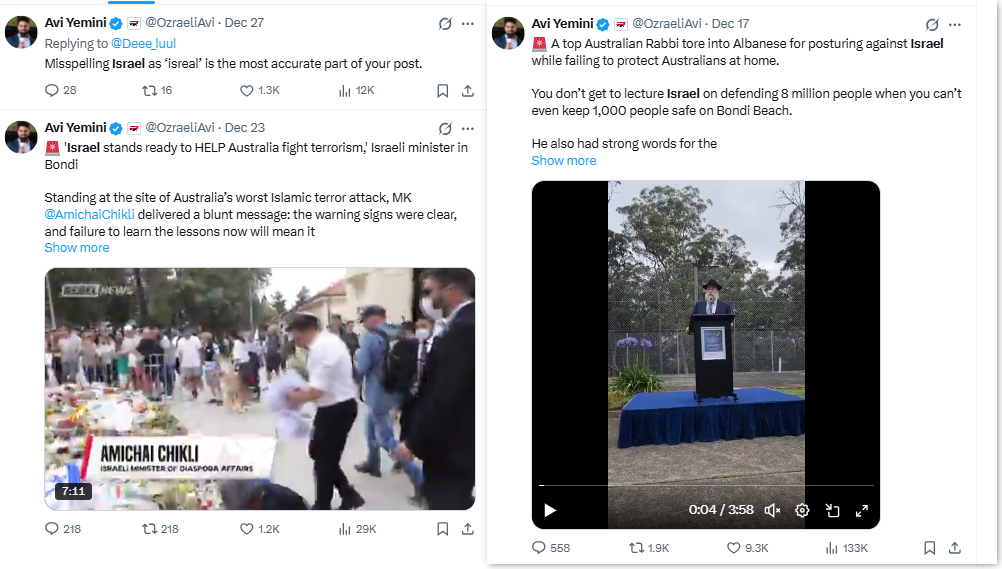
‘Assran also reposted posts from accounts supporting Israel, such as the "Shrab Ahmari" account, an Iranian-American right-wing journalist who supports and is an advocate for Israel. Most of the Egyptian accounts participating in the campaign reposted his inciting posts against Alaa Abdel Fattah. She also reposted posts from an Australian journalist named "Avi Yemin," who is also a right-winger, anti-refugee, and pro-Israel.
Who Led the Egyptian campaign
An analysis of data consisting of 3,500 posts—the total number of social media posts about Abdel Fattah—showed the presence of a number of central accounts that received the highest levels of engagement, and whose posts also received the highest rates of reposting.
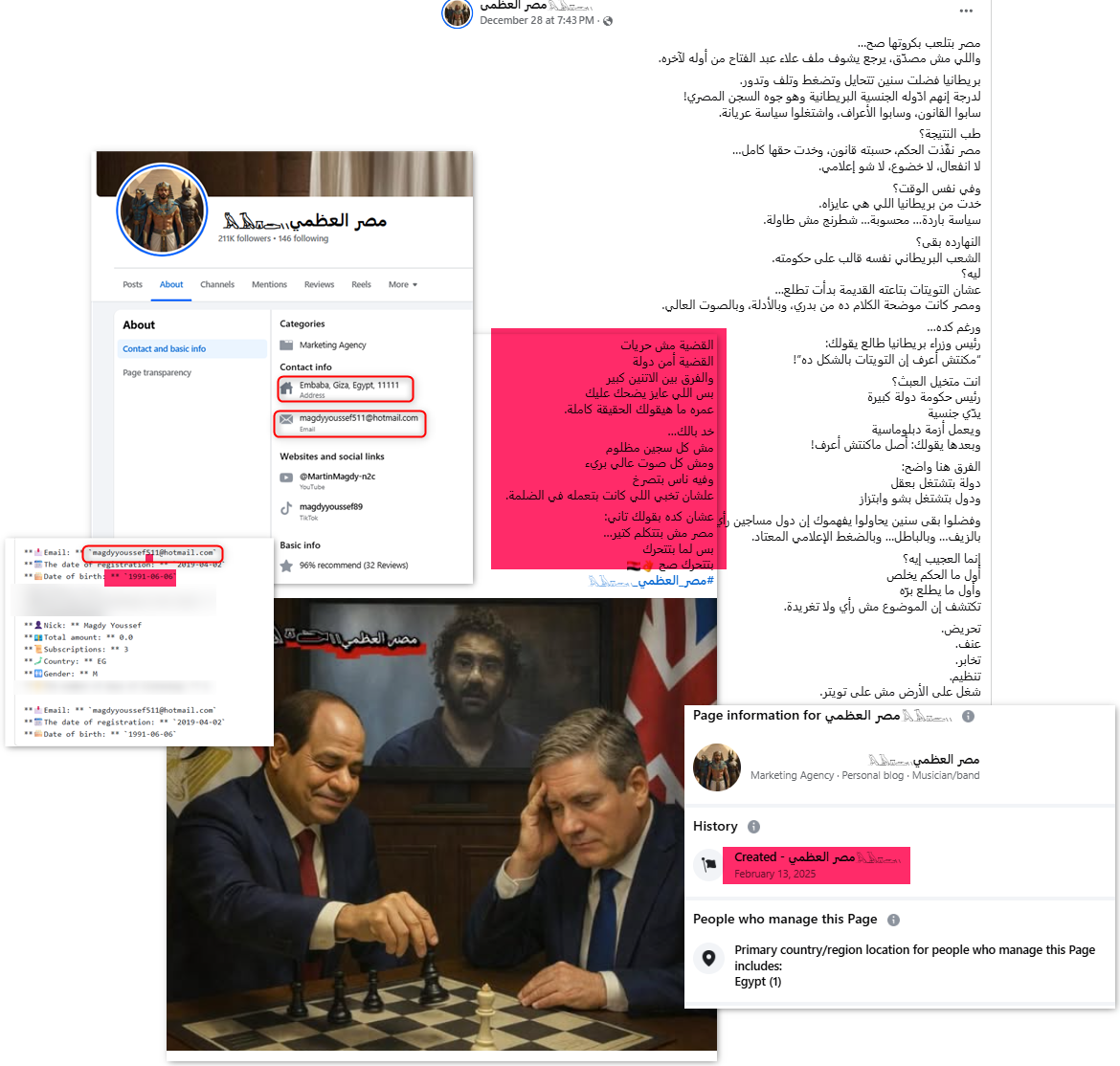
One of these central accounts is a Facebook page called "Greater Egypt 𓅓𓄿𓎼𓂧𓏭"; a page that appeared in February 2025. Despite being recent, the group’s posts about Alaa Abdel Fattah received significant interaction. The post aimed to tarnish the reputation of detainees by asserting that "not every prisoner is wronged," while simultaneously serving to glorify the regime of President Abdel Fattah el-Sisi.
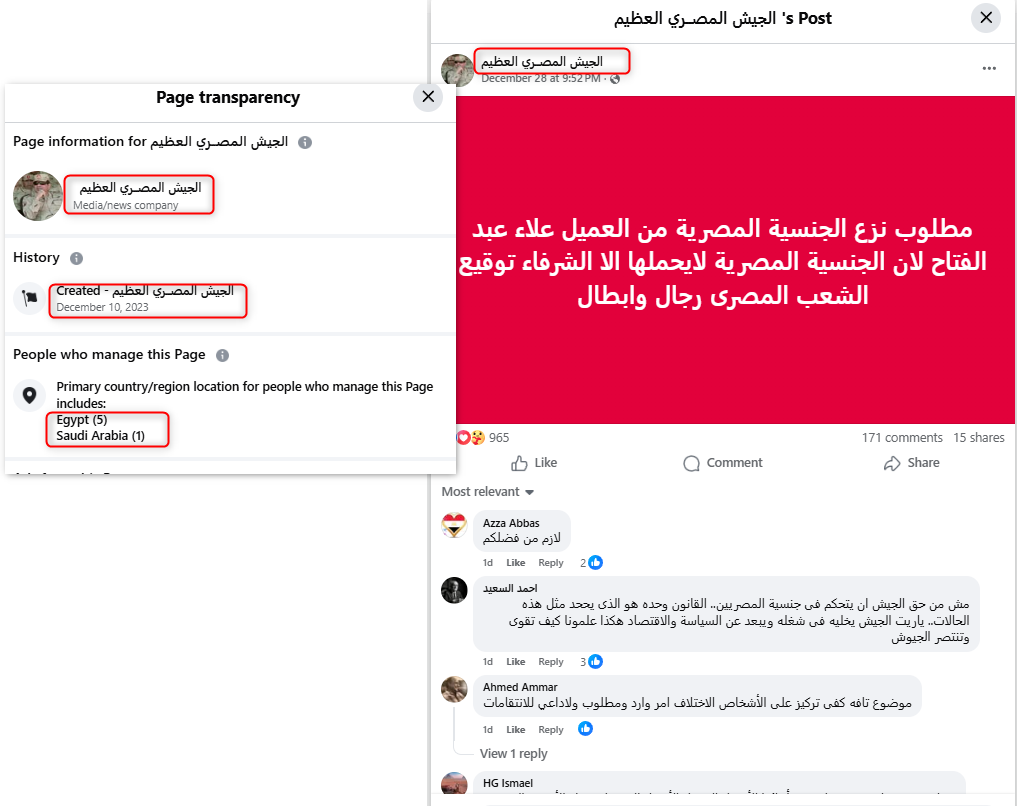
A post from the page "The Great Egyptian Army" also received significant engagement, reaching around 1,000 interactions and 171 comments. The post included a request to strip Abdel Fattah of his Egyptian citizenship.
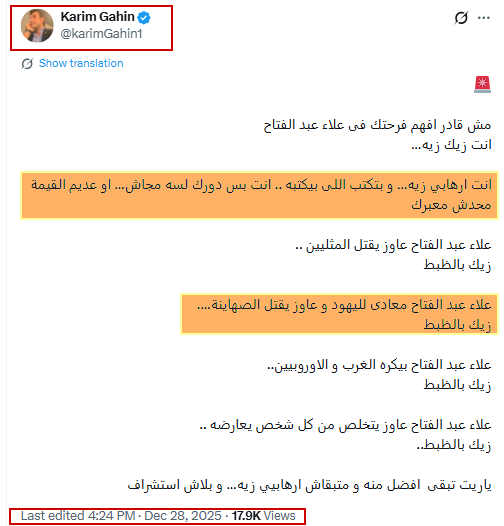
In addition, a post on X by the account "@karimGahin1" attacking Alaa Abdel Fattah, received about 18 thousand views. The owner of this account is a supporter of Israel.
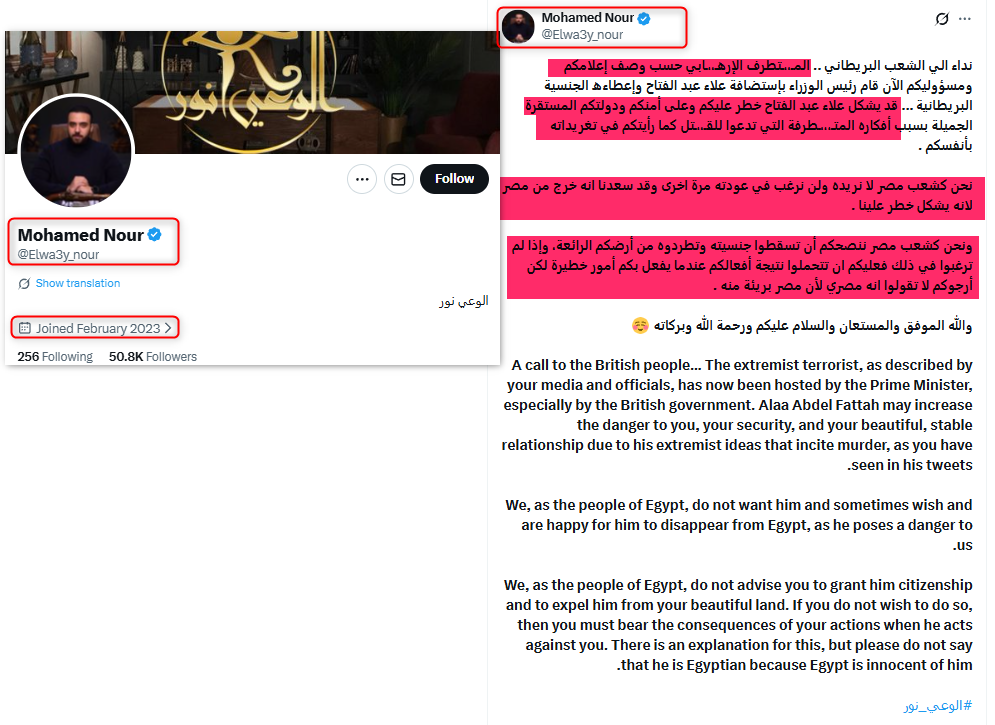
Mohamed Nour's account, "@Elwa3y_nour," was the most influential in terms of reach, with its posts gaining wide interaction on both Facebook and X. Nour wrote several posts on both platforms describing Alaa Abdel Fattah as an extremist, a terrorist, and calling for the revocation of both his British and Egyptian nationalities.
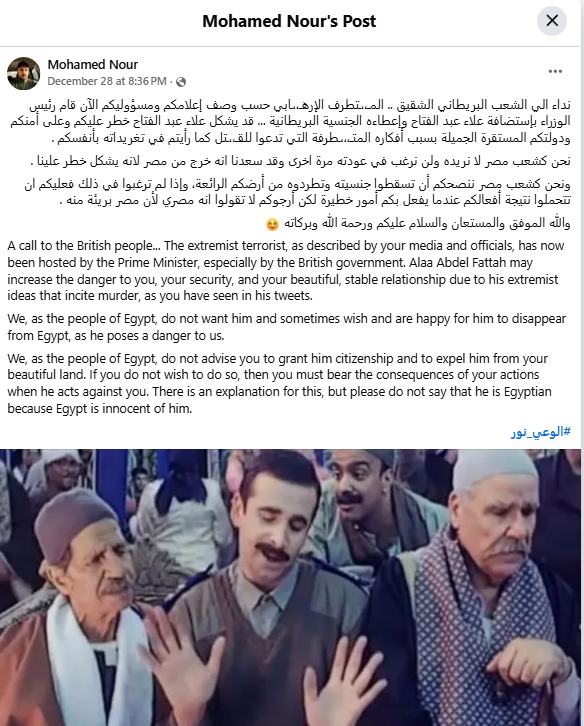
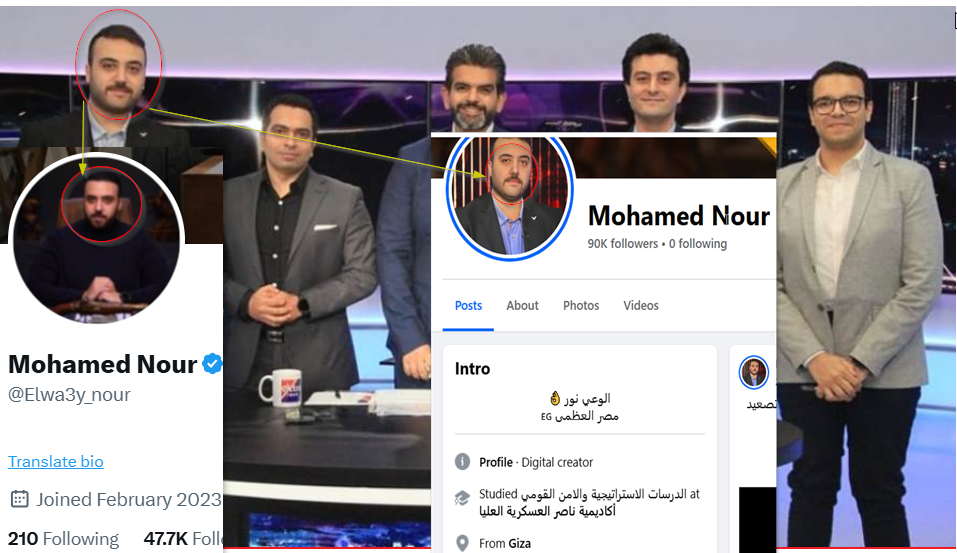
Nour, who describes himself as a "politician," manages the platform "Noor's Awareness," which he defines as: "A national platform that offers political and strategic analyses and information, local and international, and discusses files related to national security."
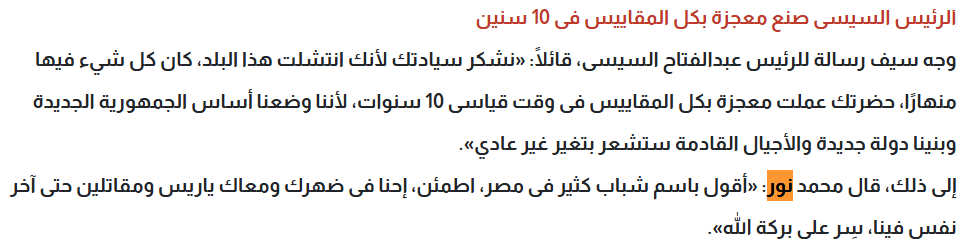
He has also declared in several newspaper articles that he actively supports the Egyptian regime and participates in propaganda efforts on its behalf. He is a member of a prominent, active social media group known for backing the Egyptian regime, which includes figures such as Louay El Khatib, Seif Mahmoud, and Ahmed Mubarak.
Arabi Facts Hub conducted this investigation as part of a publishing partnership with Daraj. The goal is to illuminate coordinated online campaigns and the resulting impact they have on public rights and freedoms.

Other Articles