Prepared by: Ibrahim Hilal
Arabi Facts Hub
is a nonprofit organization dedicated to research mis/disinformation in the Arabic content on the Internet and provide innovative solutions to detect and identify it.
On March 1, 2026, the day that Iranian Supreme Leader Ali Khamenei was announced dead following an American-Israeli bombardment, social media platforms saw the rise of hashtags related to Iran, Iraq, and Yemen. That same day also witnessed the emergence of a different hashtag in the Lebanese context: #حزب_الله_انتهى (Hezbollah is Finished).
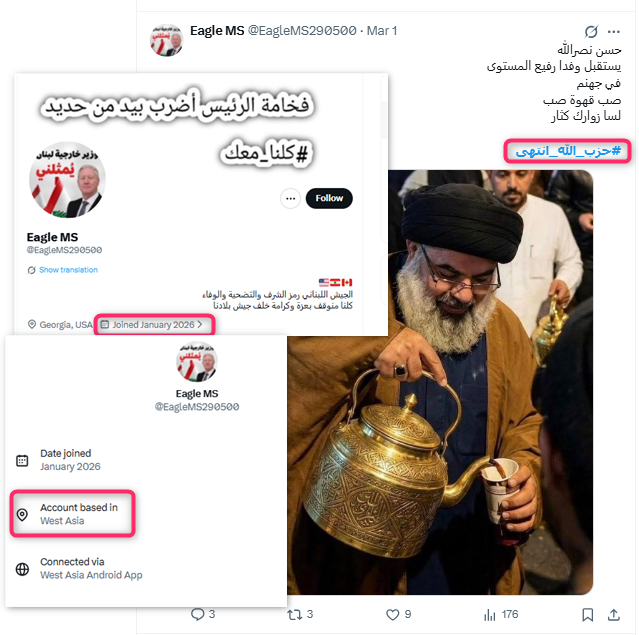
The hashtag appeared for the first time via a Lebanese account called @EagleMS290500. This is a recent account created in January 2026, which posted about 4,600 tweets in just two months, a suspiciously high rate. The transparency feature also showed that it the account is active from the West Asia region, which usually refers to the UAE.
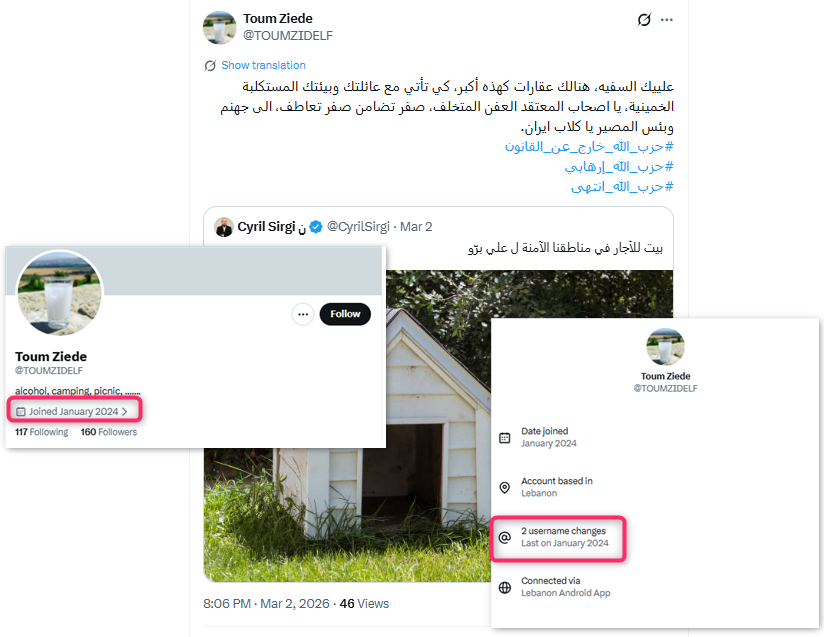
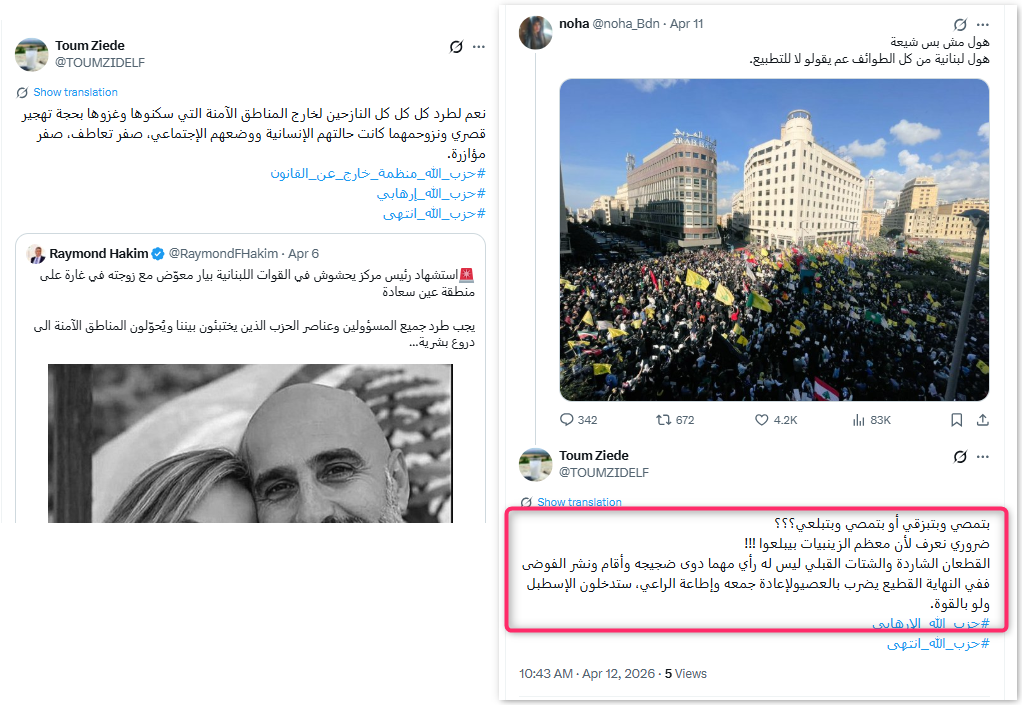
One the following day, March 2, 2026, and with the escalation of confrontations in southern Lebanon, another Lebanese account @TOUMZIDELF reposted the hashtag attached with additional hashtags targeting Hezbollah, along with hate speech directed against the displaced residents of the southern villages. The account is relatively new (2024), having posted about 18,000 tweets at a high daily rate, with a clear focus on attacking Hezbollah and supporting the Lebanese Forces party, under the hashtags:
#حزب_الله_خارج_عن_القانون (Hezbollah are outlaws)
#حزب_الله_إرهابي (Hezbollah are terrorists)
#حزب_الله_انتهى (Hezbollah is finished)
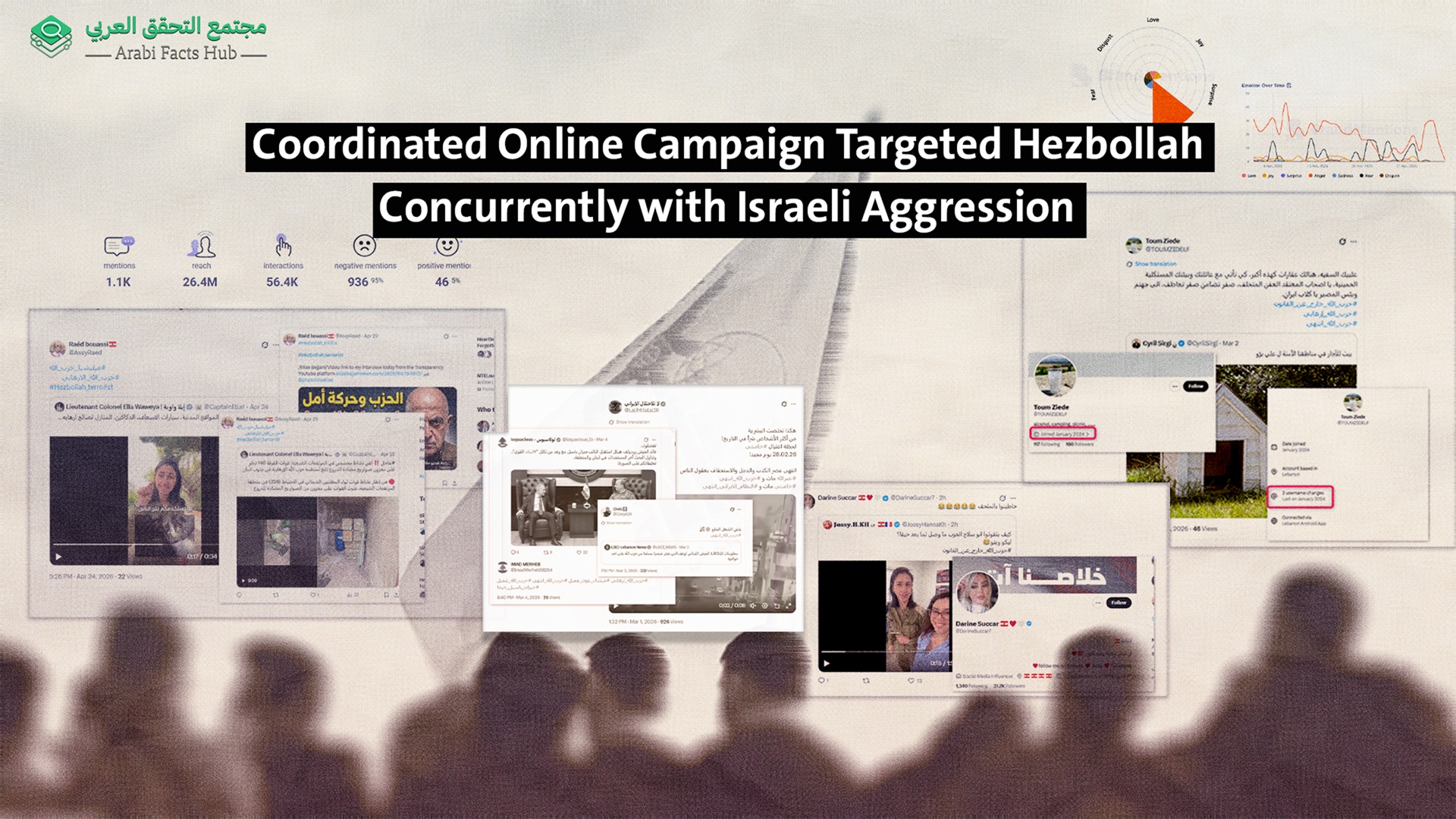
These are the hashtags through which several fake Lebanese accounts launched a coordinated online campaign that promoted the end of Hezbollah and called for its destruction concurrently with the Lebanese south being subjected to Israeli aggression.
Indicators of an Inflated Online Campaign
After the @TOUMZIDELF account posted several tweets on March 2 that included the three hashtags, other Lebanese accounts heavily reposted the same hashtags to begin a coordinated online campaign that promoted the end of Hezbollah and incited against its members while they were clashing with the Zionist occupation in southern Lebanon.
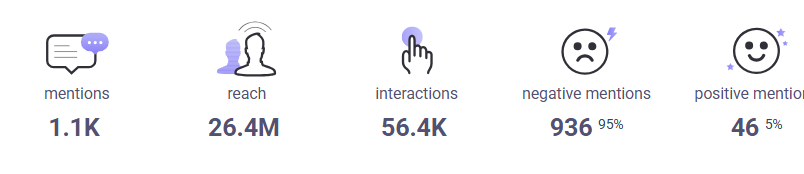
Within a short period, the hashtags associated with the campaign spread across only about 1,100 posts, but they achieved a reach estimated at 26.4 million views, and more than 56 thousand interactions, which are high numbers compared to the limited volume of content. This reinforces a hypothesis of online inflation.
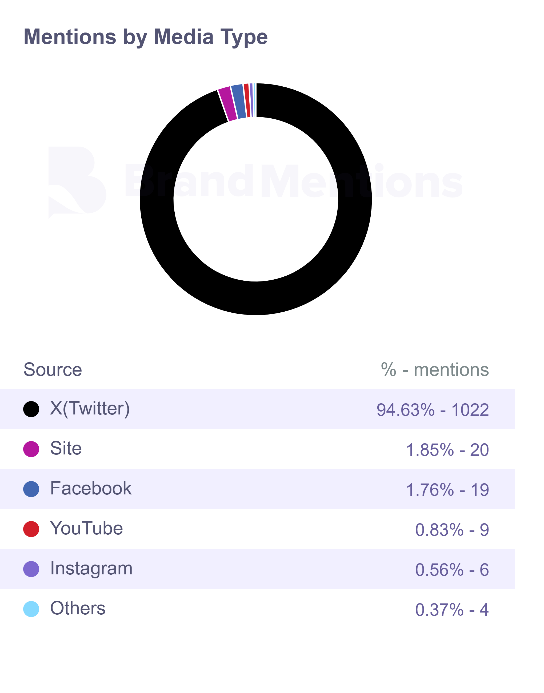
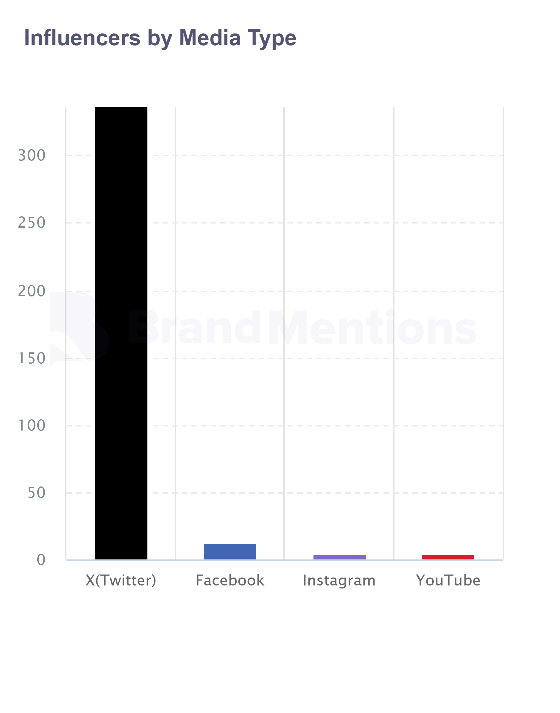
About 95% of this activity was concentrated on X, while the percentage of posting on the rest of the platforms did not exceed 5%.
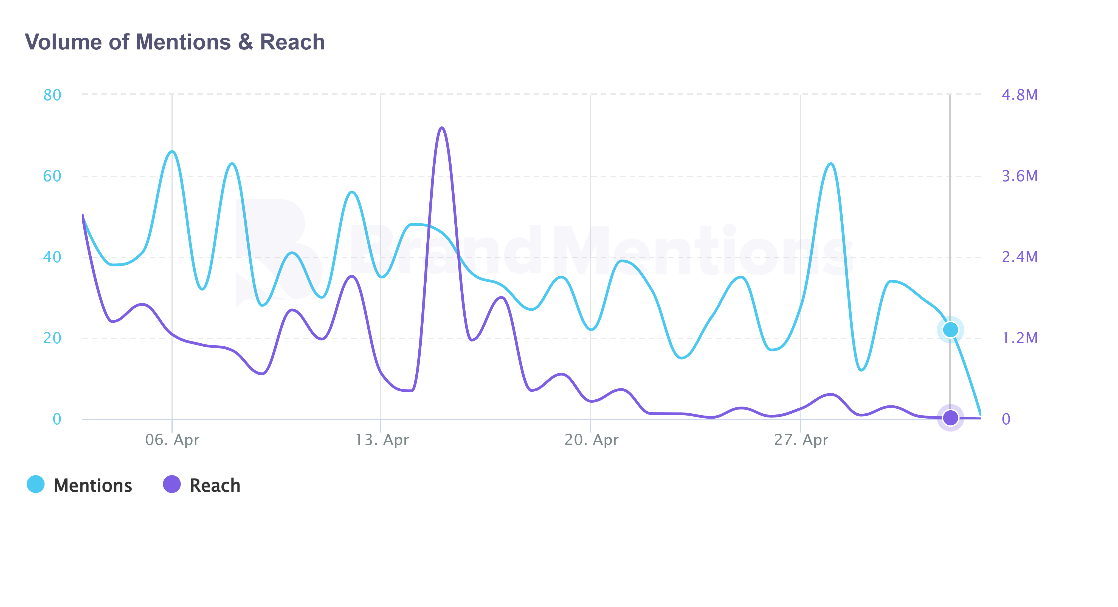
Analysis of post volume and reach trends suggests the campaign content was released in "pulses," indicating artificial amplification rather than organic interaction. The reach curve, which initially dipped during the first week, supports the conclusion that these posts were pumped rather than published naturally. The reach eventually spiked on April 15 before declining again, despite the sustained artificial volume of tweets.
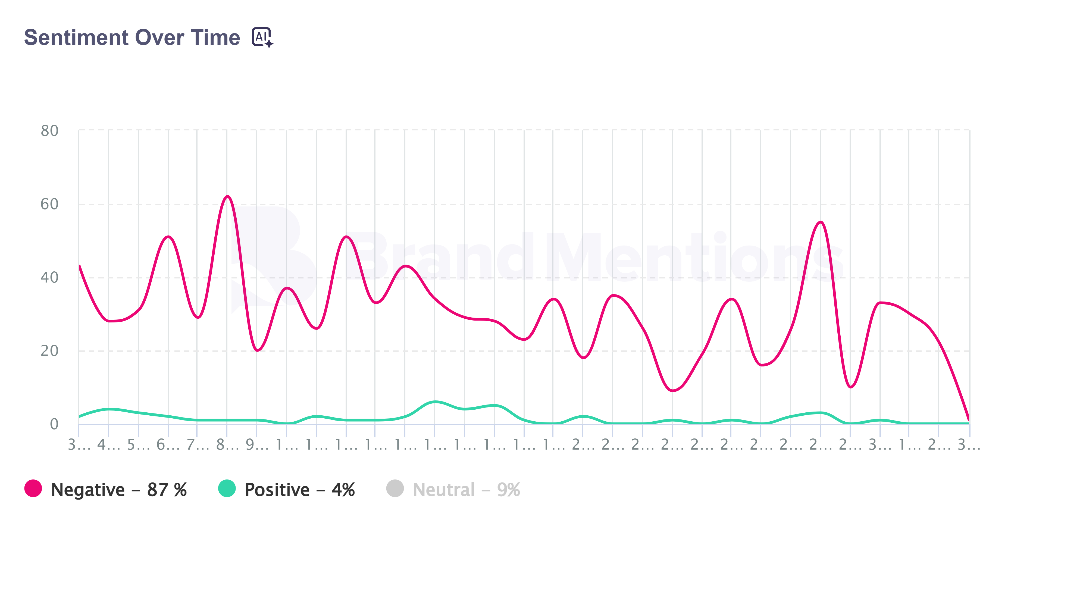
87% of these tweets were classified as posts carrying negative sentiments, while the percentage of tweets with positive sentiments did not exceed 4%, which is an additional indicator that points to the existence of a coordinated campaign to attack Hezbollah.
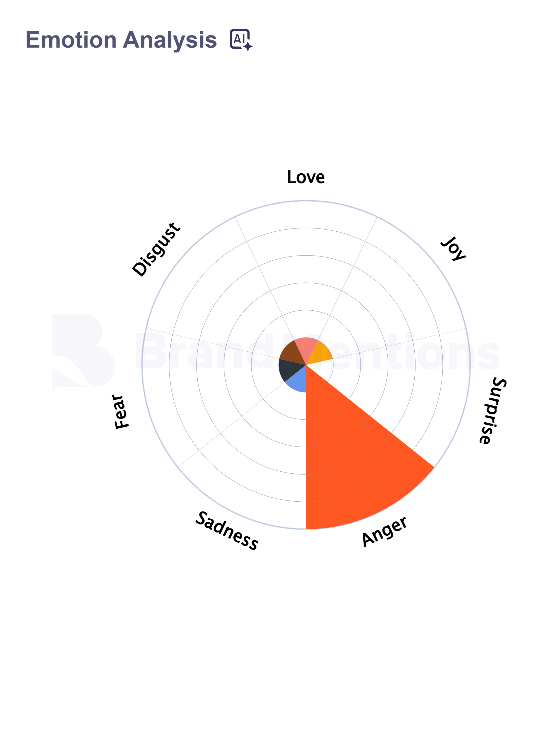
The discourse revolved around two main messages: the first is promoting the end of Hezbollah and its defeat, especially after the killing of Khamenei; and the second is portraying it as an "outlaw militia" to delegitimize it.
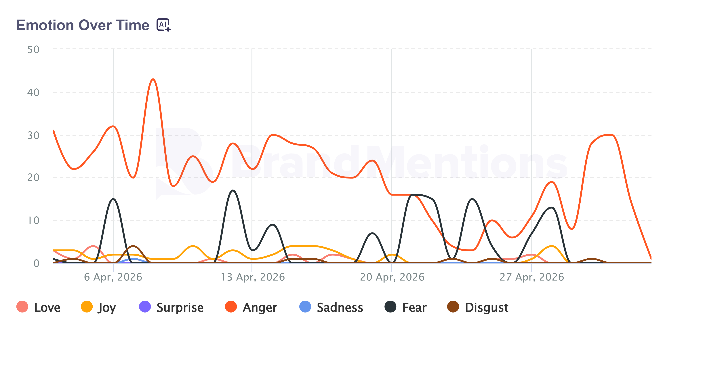
This aligns with the broader Israeli strategy for Lebanon, aiming to disarm Hezbollah and dismantle the group politically.
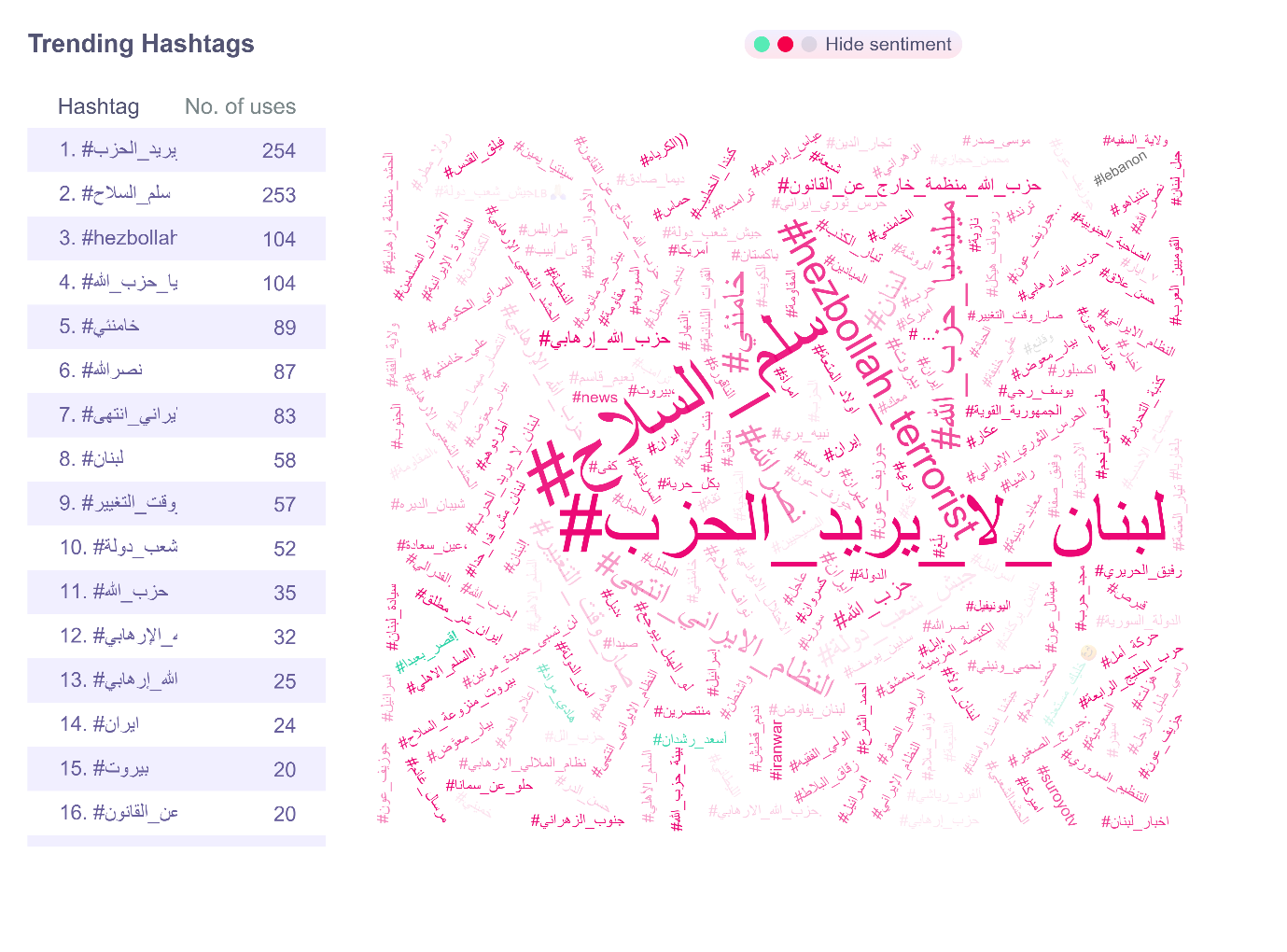
This discourse was reflected in the accompanying hashtags, where the hashtag #لبان_لا_يريد_الحزب (Lebanon Does Not Want the Party) appeared as the most prominent, followed by the hashtag #سلم_السلاح (Surrender Your Weapons). These are two old hashtags active since the ceasefire agreement between Hezbollah and Israel in 2024.
The two hashtags were followed by #خامنئي (Khamenei), #نصرالله (Nasrallah), and #النظام_الايراني_انتهي (The Iranian Regime is Finished), all of which are hashtags promoting the defeat of Hezbollah and its collapse after the death of the Iranian Supreme Leader #خامنئي (Khamenei) and before him Hezbollah Secretary General Hassan Nasrallah.
Accounts Promoting Narratives Identical to Israeli Propaganda
The analyses showed that a number of the most active accounts in the campaign adopted a discourse that intersects with the Israeli narrative, especially Arabic-speaking accounts linked to Israeli entities, such as the Arabic spokesperson for the Israeli army. This aligns with the final goal of the campaign regarding disarming Hezbollah according to the Israeli strategy. It also promotes the defeat of the party, especially since it is in clashes with the occupation army. Therefore, any psychological defeat serves the interest of the occupation army.
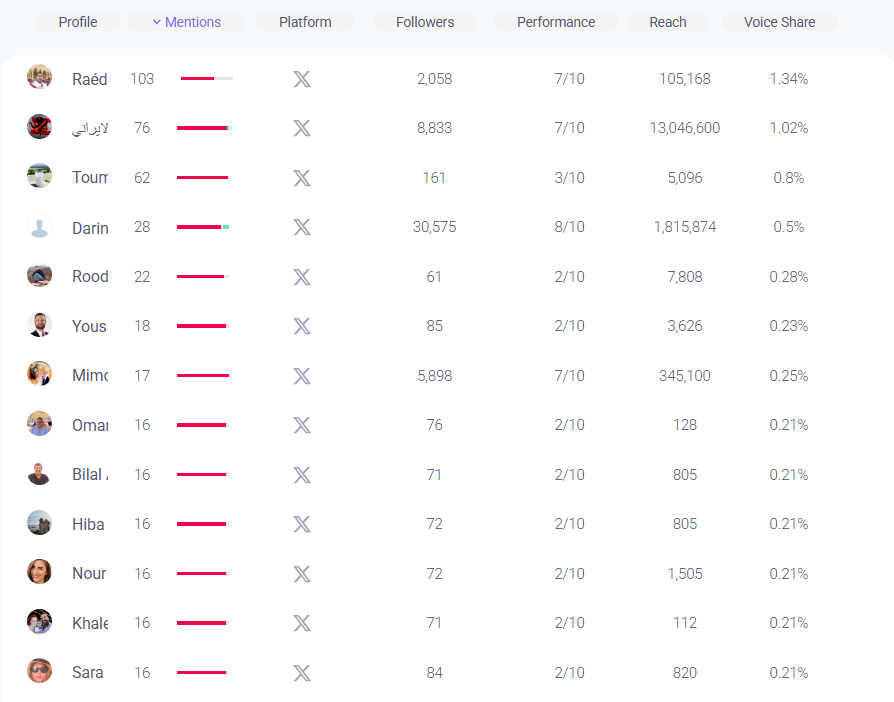
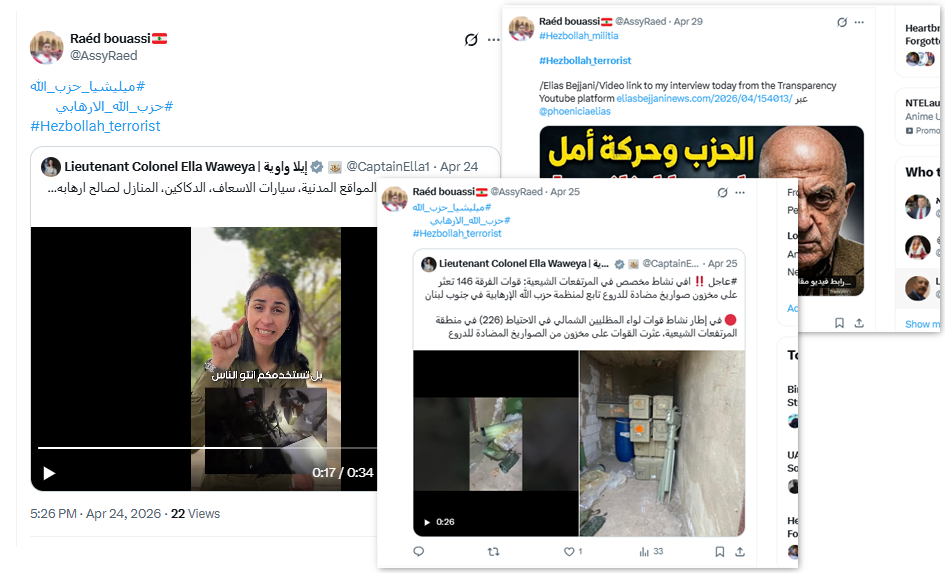
Topping the list of the most posting accounts is @AssyRaed, a relatively new Lebanese account created in 2019, which posted 103 tweets, all of which focused on attacking Hezbollah and describing it as a terrorist organization in accordance with Israeli propaganda. The account relied on reposting from @CaptainElla1, the spokesperson for the Israeli occupation army.
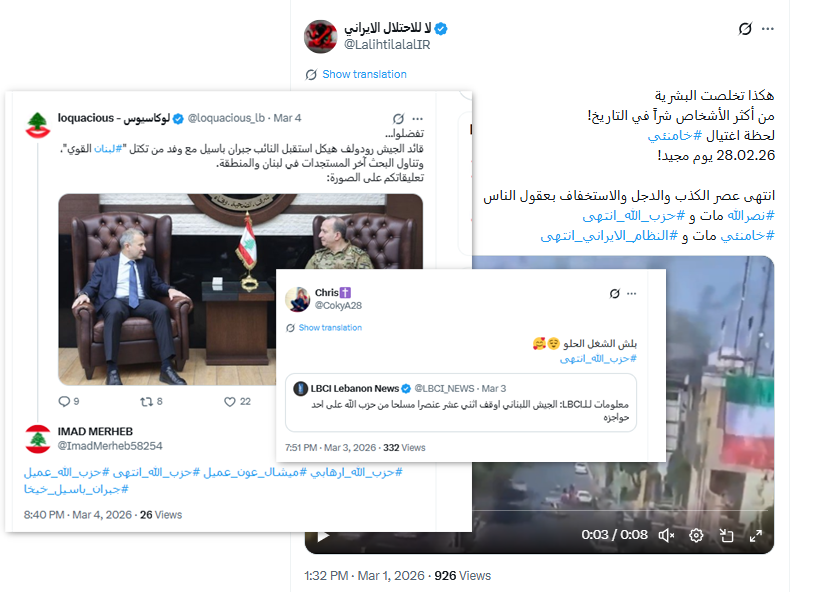
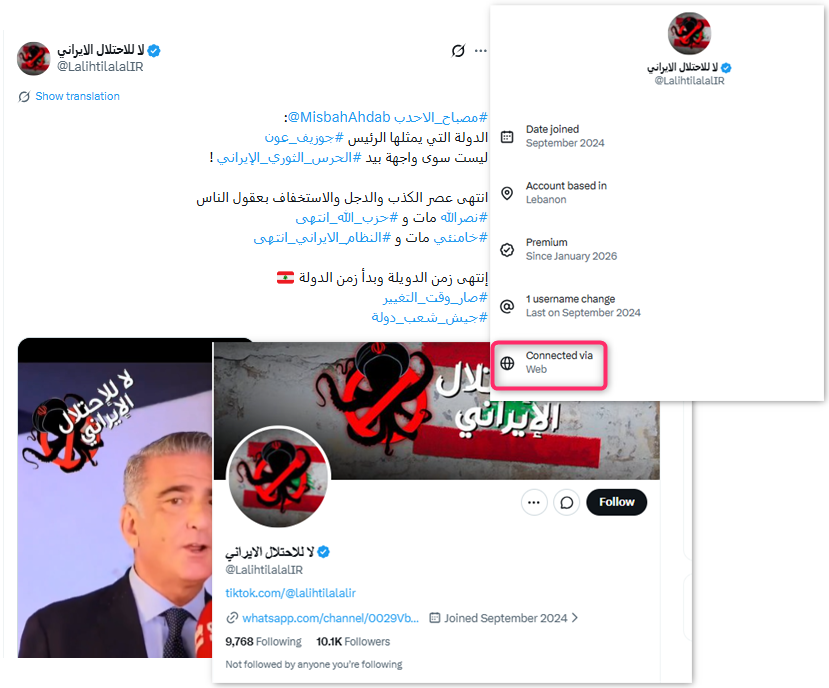
The same discourse appeared on the account "No to Iranian occupation @LalihtilalalIR", a recent account that posted 76 tweets, all of which focused on portraying resistance to Israeli aggression as submission to the Iranian occupation. Besides being a fake account, the account's transparency feature revealed that it is connected via computer (web) and not via the application, which confirms that it is not a real account.
In third place came @TOUMZIDELF, which was one of the first accounts to promote the hashtags and posted 62 tweets. Its tweets focused on spreading hate speech against displaced Lebanese people. It also used obscene language to attack any account that opposes the Zionist aggression.
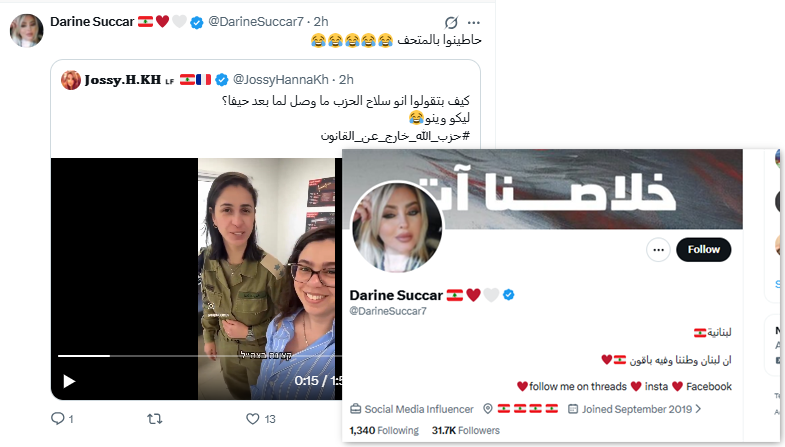
Tweets by @DarineSuccar7 did not differ from the previous accounts, as the account posted 28 tweets adopting Israeli propaganda against Hezbollah. The account also used clips of Lebanese female influencers living in Israel, one of whom appeared with the Israeli occupation army spokesperson.
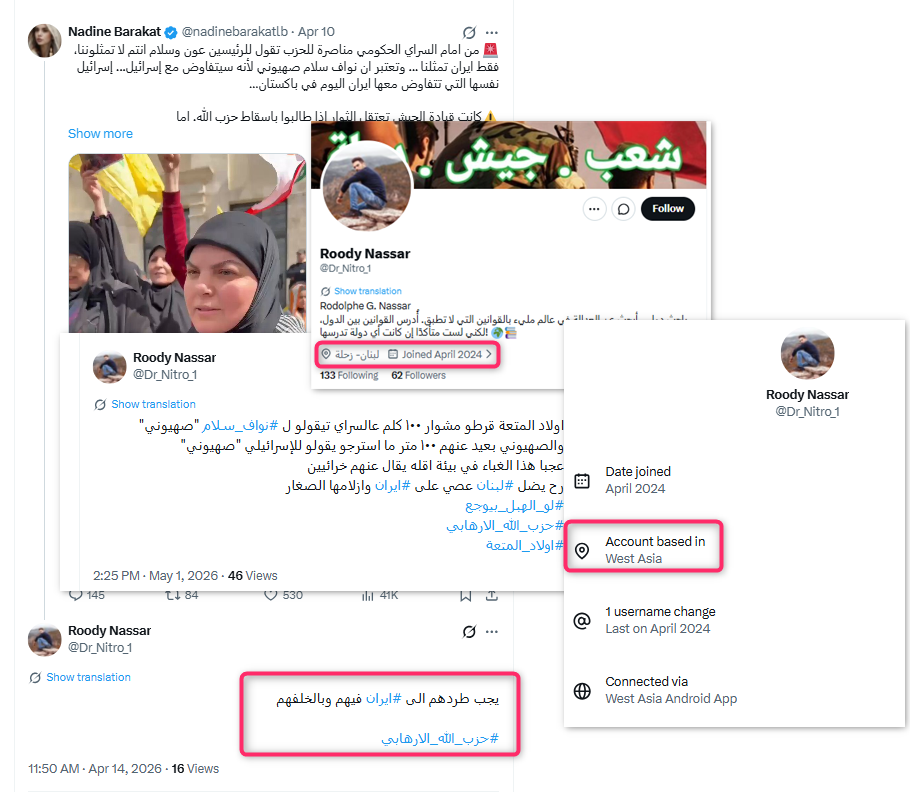
@Dr_Nitro_1 (Roody Nassar) posted 22 tweets that did not differ from those of the preceding accounts regarding attacking Hezbollah and using hate speech against the displaced. The account's transparency feature revealed that it is active from the West Asia region (UAE).
The data reveals that the campaign was not just a spontaneous digital interaction, but rather characterized by clear features of coordination and inflation, in terms of posting intensity, repetition of messages, and concentration of activity in specific accounts. It also showed a remarkable intersection with propaganda discourse serving political goals, at a time coinciding with the military escalation in southern Lebanon.
Prepared by: Ibrahim Hilal